
We Come From Royalty
By Melissa Mills
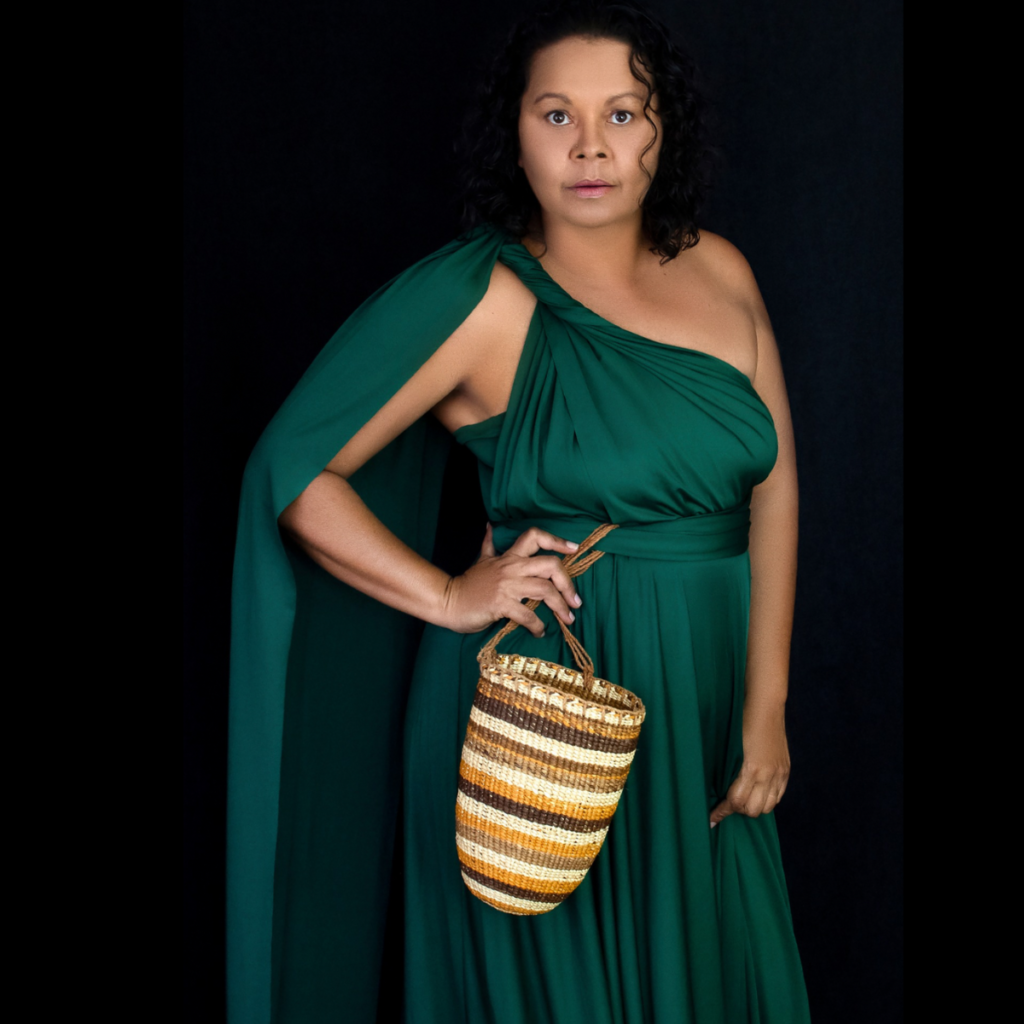
My name is Melissa Mills. Legally, my surname is Lawton, but I work under Mills. I am a Ghungulu, Garingbal, and Bidjara woman from Central Queensland, and I am preparing to begin a PhD that did not start with academia.
It started in childhood.
I loved school as a young girl. I read constantly. Learning came naturally to me. But when I reached high school, something shifted. The environment no longer reflected who I was or how I understood the world. I left school in Year 9. I had babies. I got married. Life unfolded in ways that were practical, relational, and grounded in responsibility.
Later, I realised I needed more education.
Like many Aboriginal people, my pathway back into learning began through TAFE. University did not feel like a place for me. Traditionally, we are not taught to see ourselves there. I tried university twice and failed. Eventually, I let it go.
It wasn’t until conversations with my Nan, shortly before she passed away, that everything changed.
Nan taught me that Aboriginal women are not victims. We are not nothing. We are not pawns in someone else’s story.
We are Queens.
We come from royalty.
That belief was not symbolic. It was lived.
Nan grew up on a mission. She was part of the Stolen Generations. She was removed from her family, separated by fences that were meant to cut connection. She only went to school until Grade 3 before being sent out to work as a domestic, raising other people’s children.
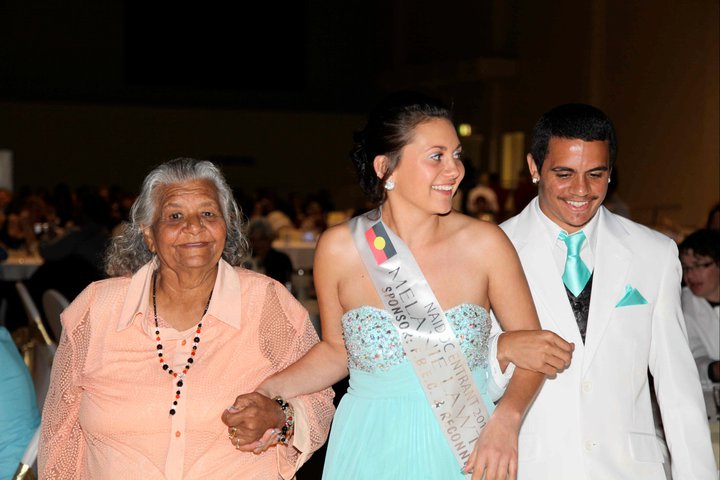
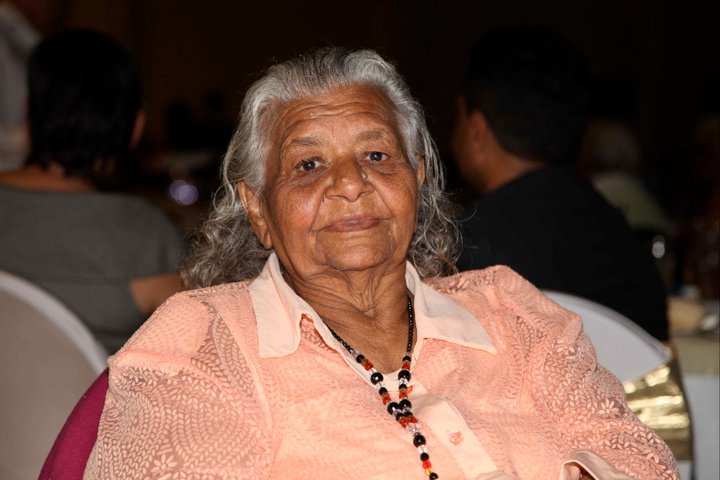
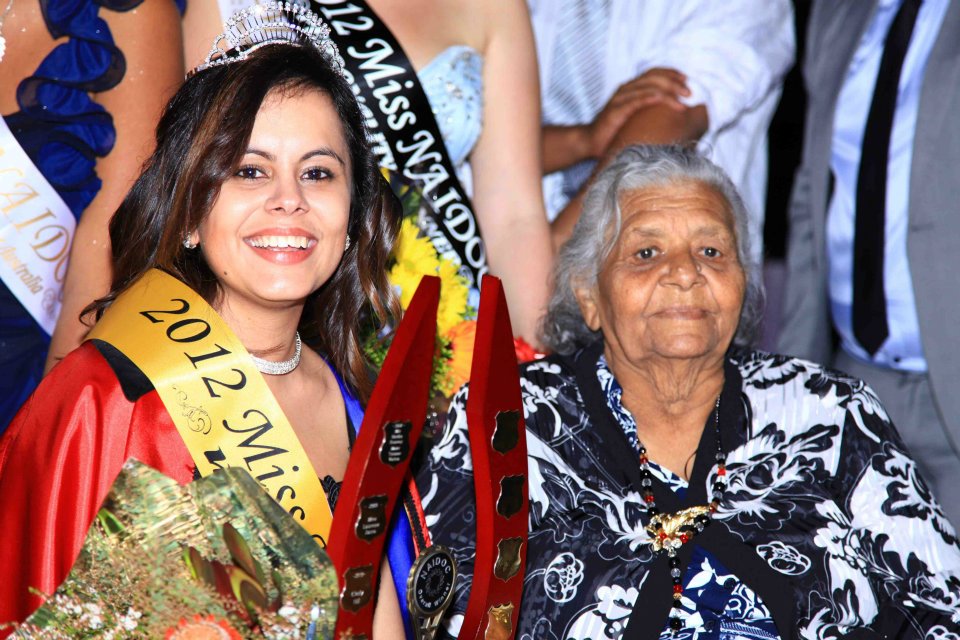
She used to describe that place as a concentration camp.
And yet, she never lost herself.
Nan and Grandad were our philosophers. They taught us who we were, how to be Aboriginal, how to hold family, culture, Country, and responsibility together despite everything that was taken.
Nan kept a large wooden box under her bed. Inside were old photographs. Black and white. Box brownie images. Some hand-painted. When she left the house, I would pull that box out and sit for hours, laying the photos across the floor.
Those women still look back at me.
I can trace five of my grandmothers. That is a privilege. Many cannot, because of what was done to our people. When I look at their faces, I see strength, courage, truth, and survival etched into their eyes.
That strength is in my DNA.
My PhD journey grew out of this understanding. I am currently completing a Graduate Certificate in Research as a pathway into doctoral study. But I do not see this work as “mine”.
Spiritually, it belongs to my Nan and to the women who came before her.
My research will explore Aboriginal women as matriarchs, not as symbolic figures, but as living systems of law, kinship, moiety, identity, royalty, and survival. In our culture, we know this as Muding-goo – lore. It holds everything. Family structures. Country. Spiritual connectedness. Storying. Kinship structures. Ceremonies. Responsibility. Care.
In our families, almost every woman is a mother. Every woman carries responsibility for children, learning, and belonging. Western categories do not apply. Cousins are aunties. Husbands become grandfathers. Titles are not about age, they are about role.
This knowledge is not taught.
It is embodied.
It lives in the DNA. Some things cannot be forgotten. They simply are.
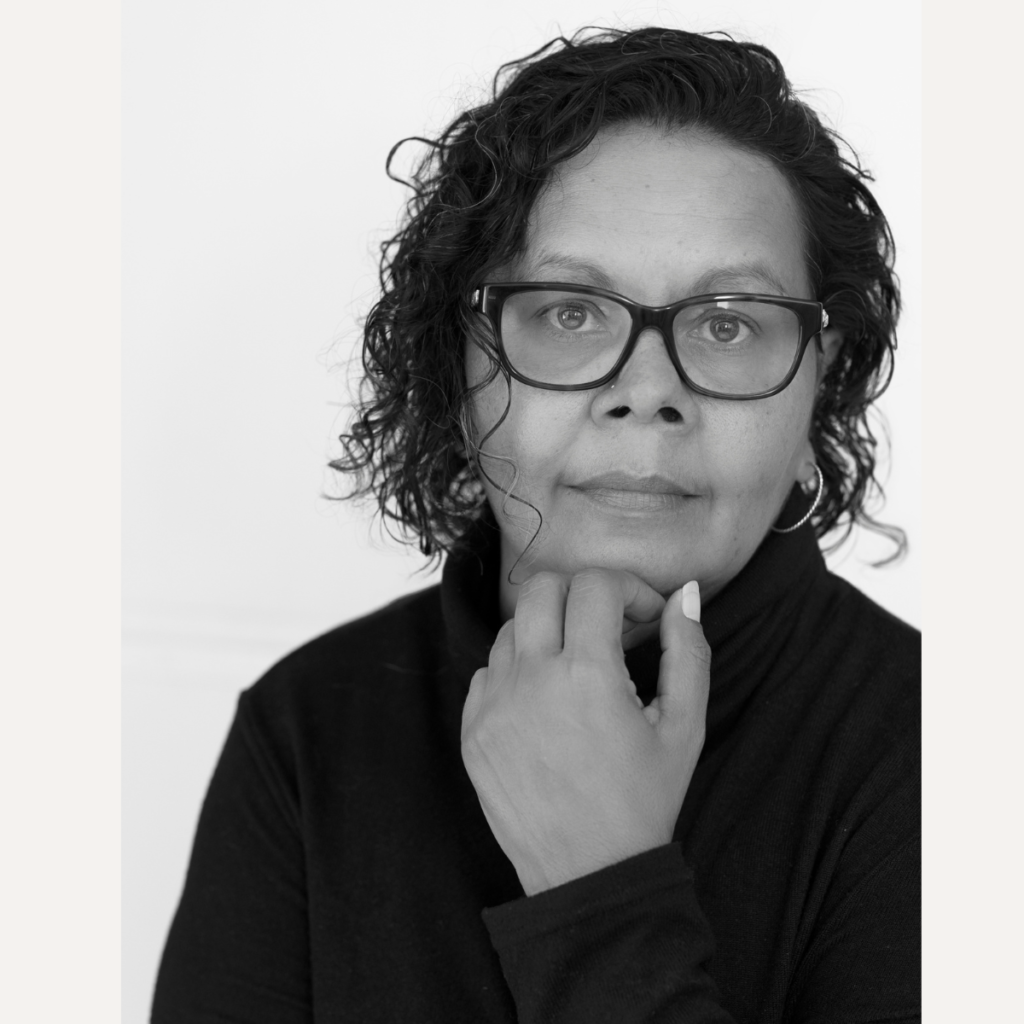
My PhD will be story-based and creative. An exegesis. I may work with photography, but this will not be in a way that sanitises or aestheticizes Aboriginal women. I am not interested in posed smiles or tidy portraits. I want honesty. I want the truth.
There will be no clean version of this work.
This is truth telling.
That truth includes violence, removal, rape, massacre, and survival. It includes the colonial project not as history, but as an ongoing system that continues to shape Aboriginal lives. Many people prefer not to look at this because it is messy and confronting.
I am not avoiding the mess.
At the same time, I am deeply aware of the responsibility. I am being trusted to hold something. I do not yet know exactly what form it will take, but I know it must be held with care.
I will have cultural governance. A steering group of women from my mob. Professional therapeutic support outside my community. I will return to Country regularly. Country is not optional.
Country is our umbilical cord.
Some cords were cut. That does not mean we do not belong. It means we must go on a journey to find the thread and follow it back gently.
This research will strip me back. I know that.
But it will also rebuild me.
Identity, matriarchy, and survival are inseparable. When western systems force Aboriginal Women to disconnect from our mob, have been ripped away of our Connectedness to our Country, and told we are to dismiss our Culture, our Spirit, our Ancestors – our Muding-goo – who are we? Where does the Aboriginal Woman belong? That is the truth that needs to be told.
I think of this work like weaving a basket. Many threads. Many stories. Many places. All intersecting to create something strong, practical, and enduring.
This PhD is still forming. It may change shape. But it will not extract stories. It will not centre Western frameworks. It will not sanitize pain. It will not forget its origins.
This journey has been preparing me my whole life.
And I am ready to walk it with honesty, responsibility, and care.
janet lee
January 15, 2026 at 10:52 aminteresting, I am looking forward i the story as in reading the story as it progresses. I knew Margie Lawton when I first came to Rockhampton, she reached out to me as she knew off the ‘work’ I was charged to do
a lovely lady and was a good friend