

Why the Past Still Shapes Us
Story by Tom Hearn
WARNING – The following story and video contain images, video and voices of deceased persons. Permission has been granted for the publication of this story.
History doesn’t arrive neatly in this country. It doesn’t come as a timeline or a lesson plan. More often, it turns up as a place you are invited into. A house. A kitchen. A conversation that stays with you long after you leave.
I first met Joslin McCabe in 2014, in the old Cobb and Co depot her great-grandfather Jack built in Winton in 1898. At the time, I thought I was there to record a family history. What I didn’t yet understand was that I was being trusted with something far larger. A life that carried Australia’s unfinished story inside it.
As we move into 2026, Australia finds itself talking, again, about truth-telling. Victoria has begun the slow work of Treaty. Reports have been written. Ceremonies held. Statements made. Yet the national mood remains uneasy. There is a sense that something essential is still being avoided. That we want history acknowledged, but not felt.
Joslin never had that luxury.
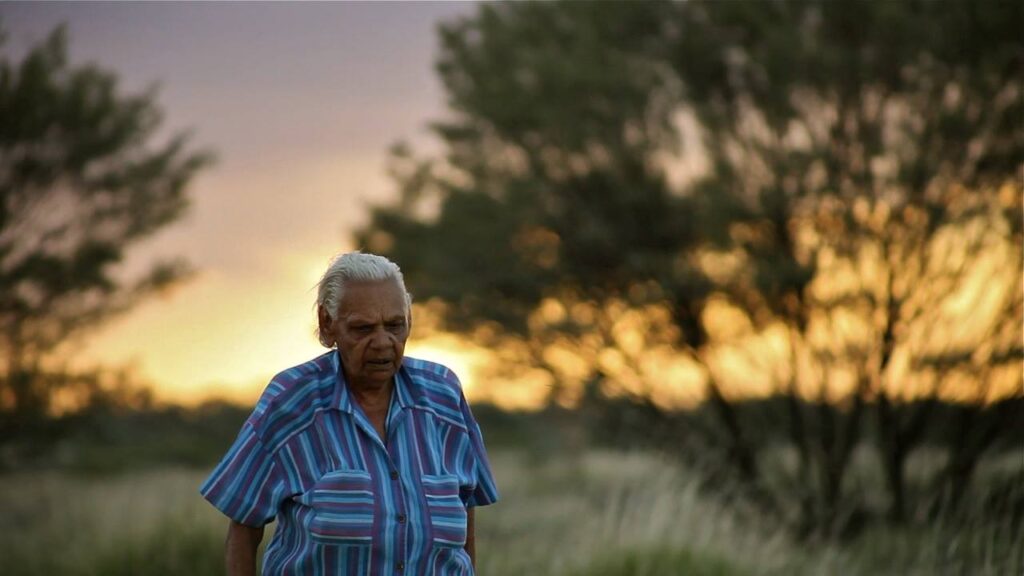
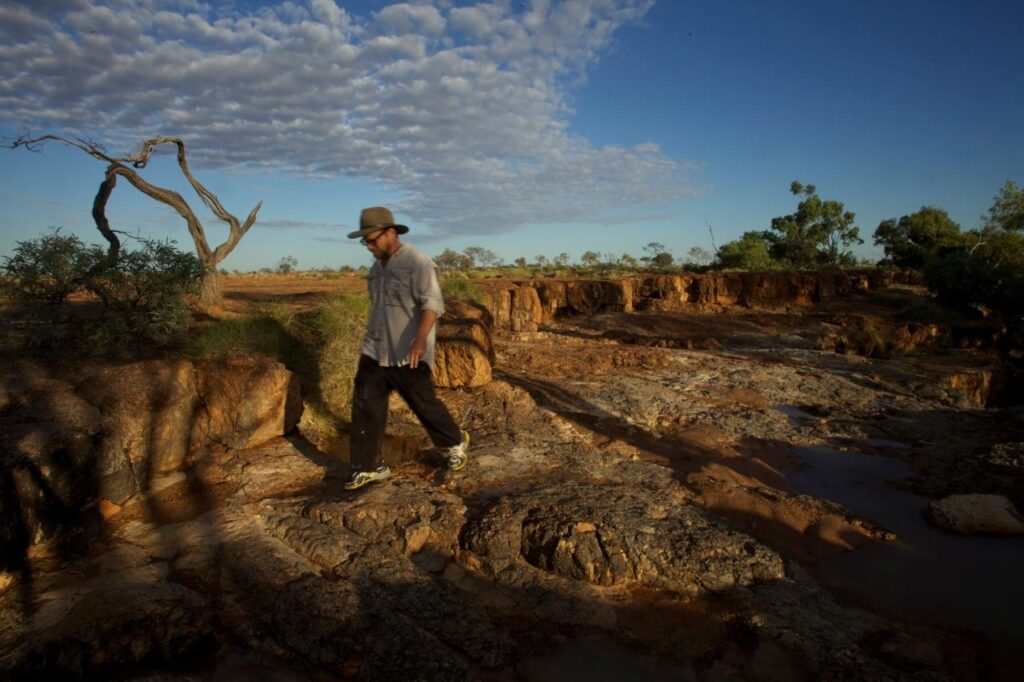
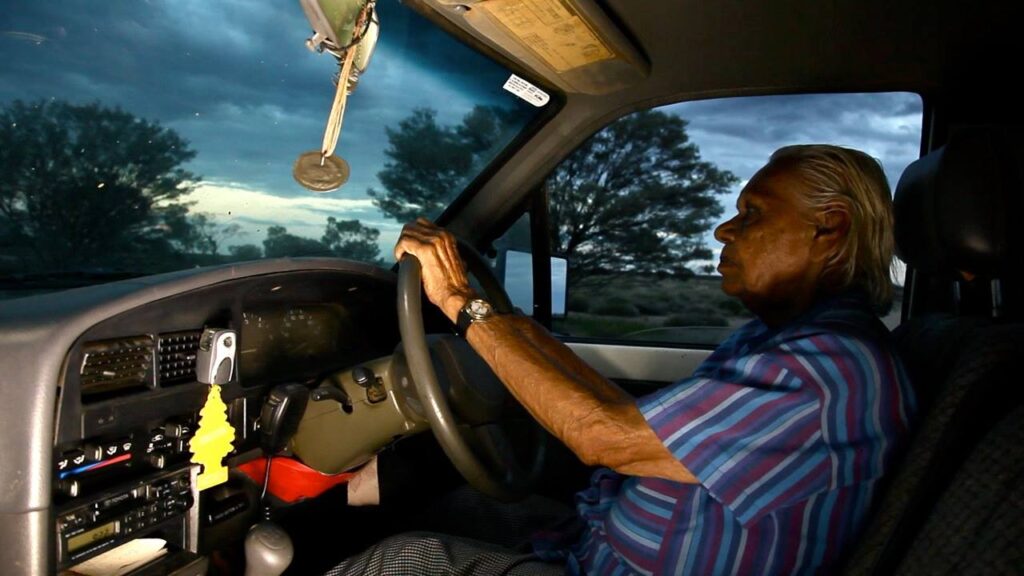
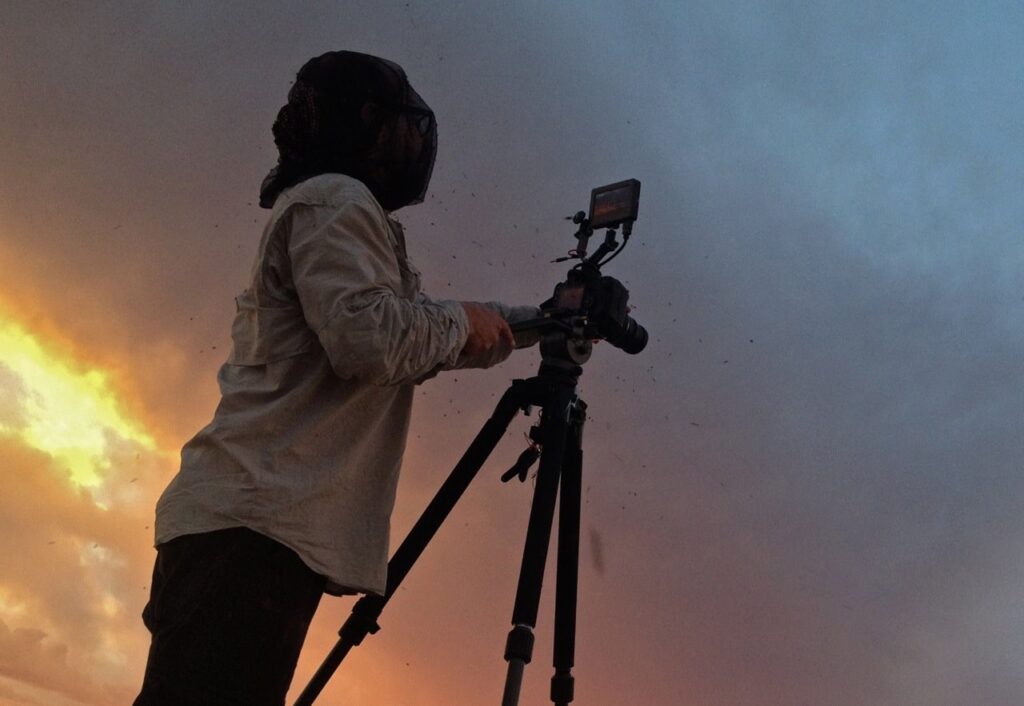
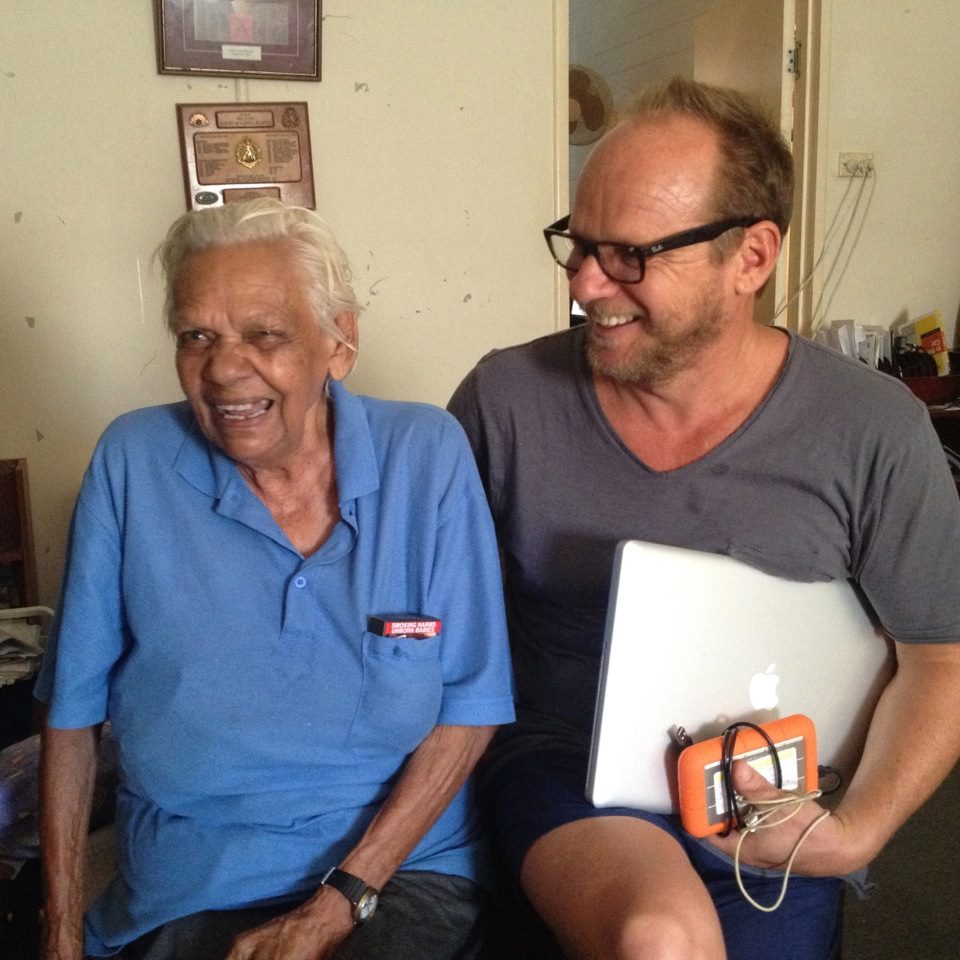
Her story made it clear to me, even back then, that Australia’s past is not a chapter we close. It lives on in families, in land, in the structures that still stand, and in the silences passed down alongside pride and endurance. Our national psyche is shaped not only by what happened, but by what was never properly named.
If Jack McCabe hadn’t left London in the late 1890s, hadn’t escaped Parramatta Prison with his brother Jim, none of this would have unfolded the way it did. He would not have met Jenny Lind, Joslin’s Murrawali great-grandmother. The shearers’ strike in Barcaldine might have looked different. The early labour movement may have taken another form. And the house we sat in, thick with memory and dust and paperwork, would not exist.
Nor would Joslin’s life.
She told me her story knowing it would outlive her. She was explicit about that. She didn’t want it softened or reframed. She wanted it told after she was gone, when there would be no temptation to tidy it up for comfort.
Joslin’s life fell into two clear halves. Before her parents separated, and after. Before, she was a bush kid in Winton, free and anchored. After, she was a child carrying adult loss, moving through a country that offered little protection to Aboriginal families when things broke apart.
Some of her earliest memories were of work. Of responsibility shared. Of driving her father Henry’s Bedford truck at ten years old, a potato sack under her to see over the wheel. She loved those mornings. The sound of the engine. The smell of his aftershave. The way they worked together without fuss. That relationship shaped her sense of the world. It gave her something solid before it was taken away.
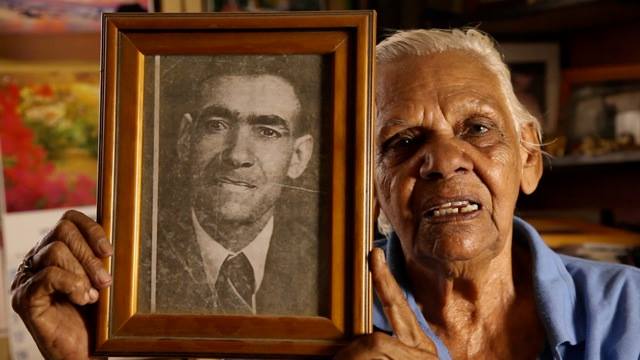
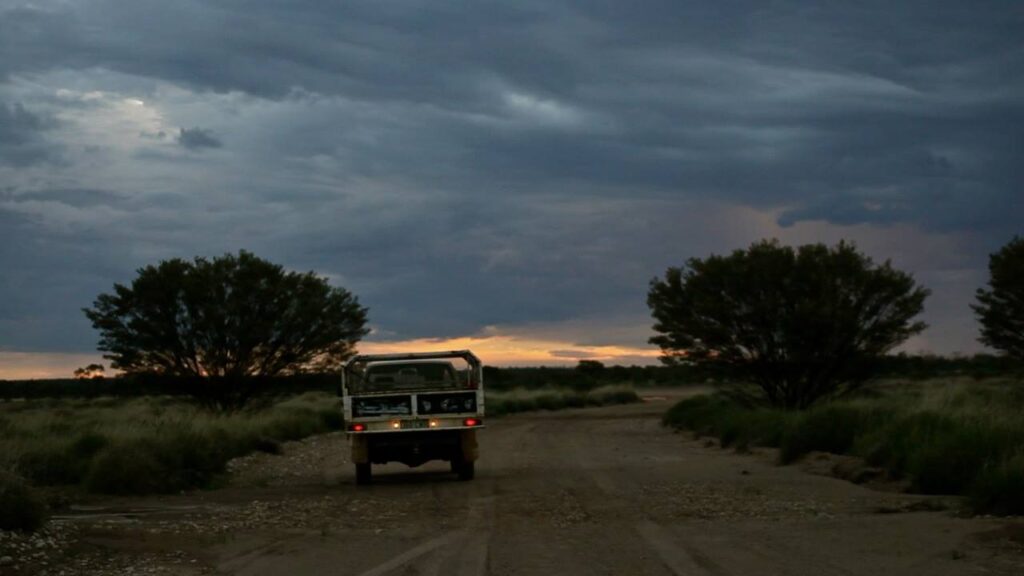
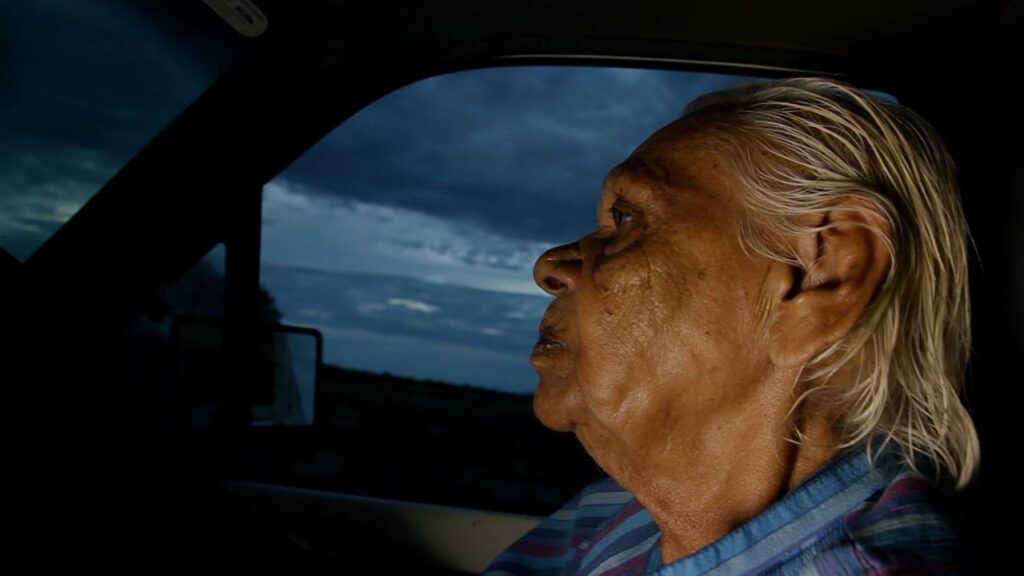
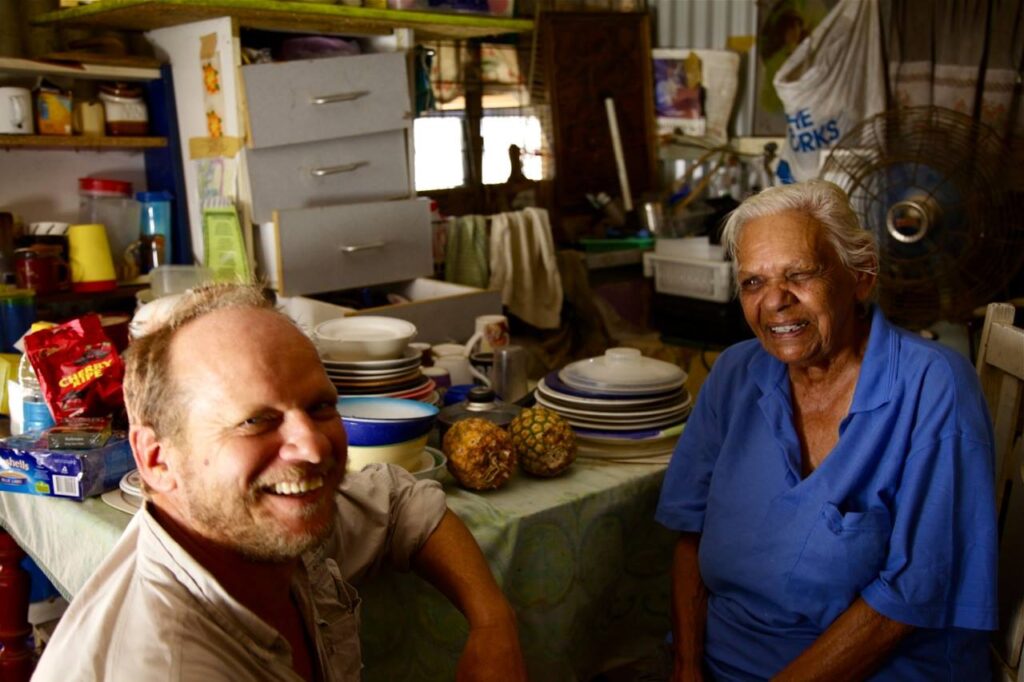
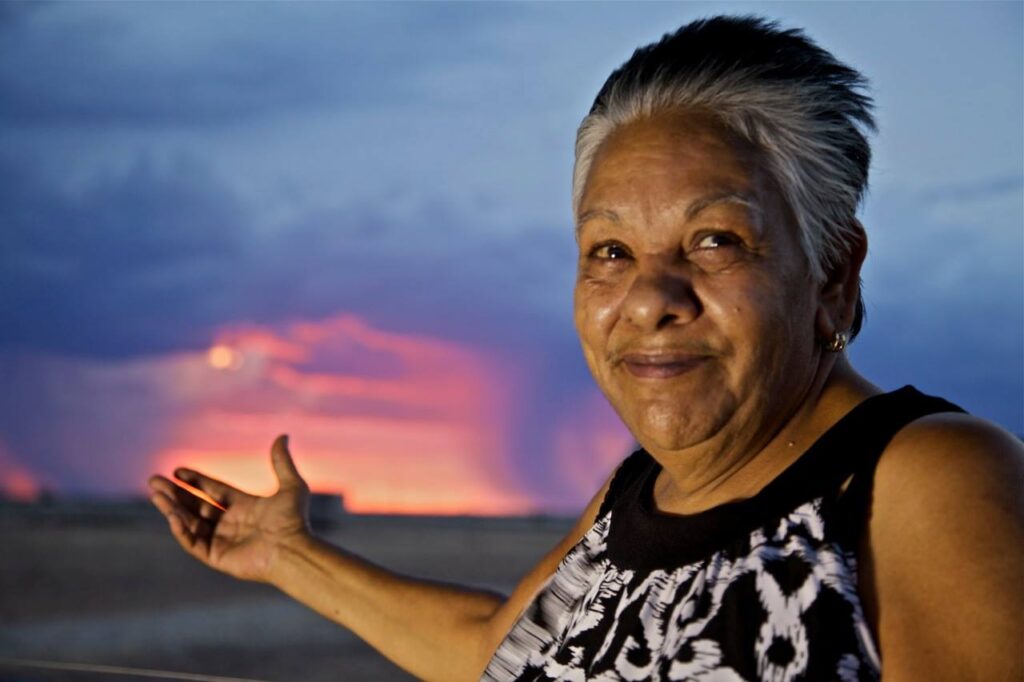
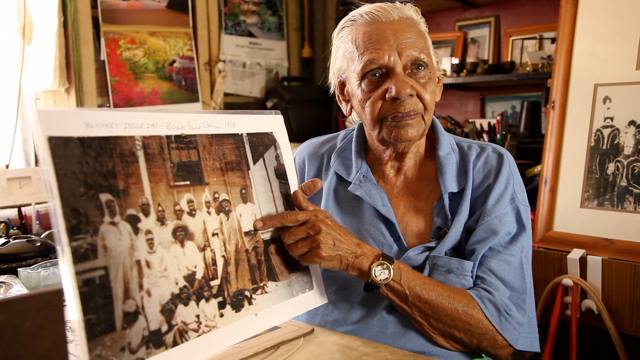
When her mother left in 1948, just before Christmas, Joslin was eleven. She wanted to stay with her father in Winton. She didn’t understand why she couldn’t. No one explained it in a way a child could hold. She boarded the train anyway, pressing her face to the glass as the country slid past. That journey marked her. It was the moment her childhood ended.
When I met her decades later, that fracture was still present. Not loudly. Not theatrically. It sat there, quietly, alongside her humour, her sharpness, her love of Sprite and lamingtons, her cartons of photos and handwritten notes. The house Jack built was filled with her need to document, to hold on, to make sure nothing disappeared without record.
She didn’t trust easily. Nor should she have. Australia hadn’t earned that. She watched me carefully. Tested whether I was listening or simply collecting. Whether I understood that this was not nostalgia, but consequence.
She talked about her father often. About his discipline. His refusal to drink. His belief in showing rather than lecturing. He took his children to sit near the pub, not to shame anyone, but to teach them what damage looked like in real time. He taught them pride in their Irish and Aboriginal lineage. He made sure they knew who they came from.
That clarity mattered.
By the time I met Joslin, her father had been gone a long time. So had many of the structures that once held communities together. What remained was her memory, her language, her refusal to pretend things had been simpler than they were.
She swore freely by then. Whatever her father’s no-swearing rule had been, it didn’t survive that train ride away from home. The bitterness was there, but it had aged into something else. A rough humour. A kind of stubborn grace. A way of surviving without pretending.
Joslin passed away several years ago now. But she never really left. I still think of her when conversations turn abstract. When truth-telling becomes a slogan rather than a reckoning. When history is discussed as though it belongs safely in the past.
I will be drinking tea with Joslin McCabe for the rest of my life. Listening. Remembering. Telling her story long after she left that house and this world.
Because some people don’t disappear when they die. They become part of how you understand a country.
Joslin’s life, with all its fracture and endurance and pride, reshaped how I see Australia. And through this story, she remains part of the national memory, whether we are ready for it or not.
Author’s note
Joslin McCabe gave explicit permission for her story to be published after her death. Not revised. Not softened. Told properly.
Kirrendirri, the documentary that accompanies this piece, was co-produced with Joslin’s daughter, Pearl Eatts. Together, the written and filmed works do not seek closure. They sit with complexity. They allow memory to remain unresolved.
As Australia continues, unevenly, toward truth-telling, houses like the one Jack McCabe built remind us that history is not abstract. It lives in families. In labour. In consent given. And in stories finally allowed to be told when the time is right.
Pearl Eatts
December 31, 2025 at 6:16 amJoslin truely was a woman of truth telling and spoke with no fear, her life from the mid 1930’s to her death in 2022 had been very challenging.
Joslin lived through era’s of racism, assimalation and hatred which she confronted head-on with any of her lifes issues.
Mum truely seen you “Tom” as one of her 12 children and willingly gave you her lifes experences, as mum did not trust many.
I can tell you one thing ‘Tom’, mum also was a history writer, a poetess and this is were she speaks and feels of ‘loss’ to culture, tradition and aboriginal people.
Thank you for being her friend. Pearl Eatts
Tom Hearn
December 31, 2025 at 6:51 amDear Pearl, without your deep creativity and wisdom, and our work together on the Proposition, none of this would have happened. You and your Mum will be forever etched into my psyche. Thanks, Pearl for your kind words and support. You are a great storyteller! Kind regards, Tom