
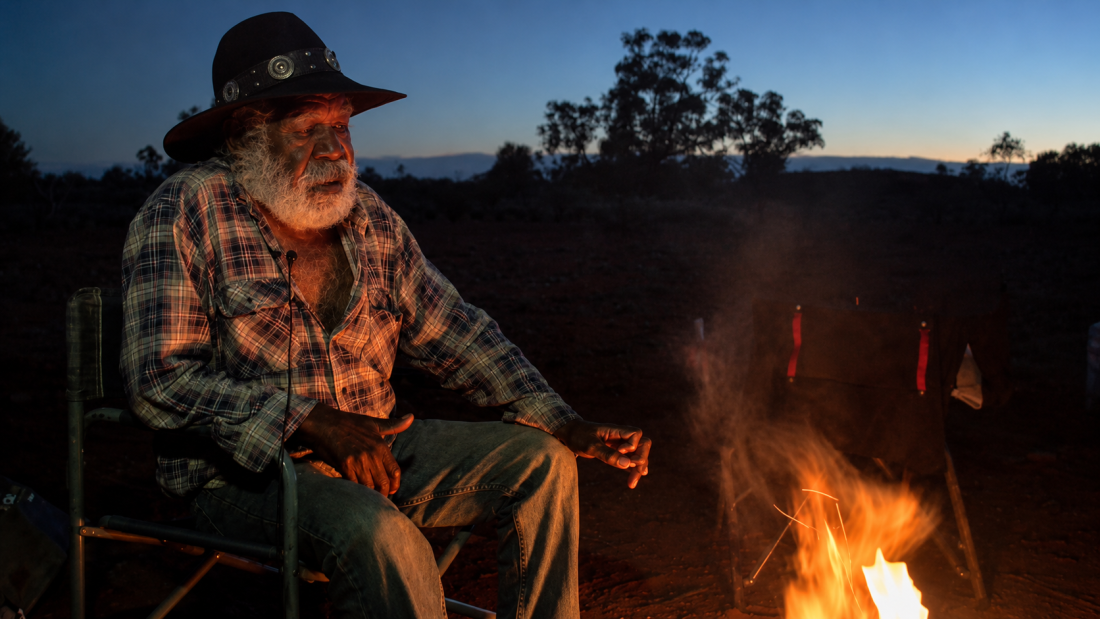
Carrying Grief Together
Aboriginal and Torres Strait Islander viewers are advised that this film contains images, voices and names of people who have passed away.
Song Medicine and an old cultural way of healing
Story and documentary by Tom Hearn
There are some films that stay with you long after they are made. Song Medicine is one of those films for me, perhaps because the journey that led to it was personal long before I picked up a camera.
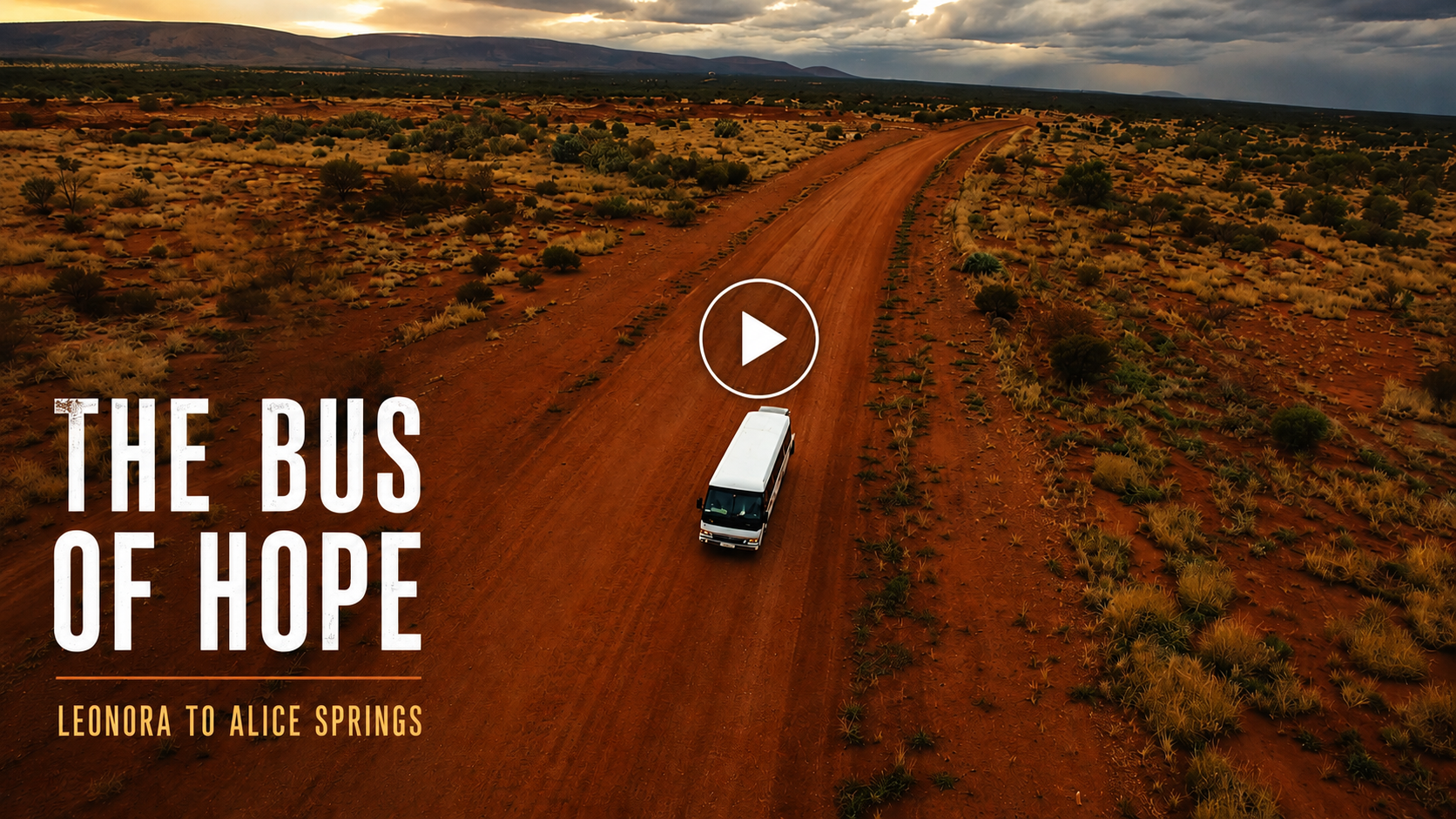
I had lost my own brother to suicide, as well as two close friends, when I was invited by the community of Leonora in Western Australia to travel with a group of bereaved families to the inaugural Indigenous Suicide Prevention Conference in Alice Springs. They asked me to come along and make a documentary about the journey, which would eventually become The Bus of Hope.
We travelled from Leonora to Alice Springs in a 20-seater bus, heading out across the desert together. It was a long journey in every sense. There was profound grief on that bus, but there was also laughter, conversation, storytelling and the companionship that comes from spending days on the road together. Among those travelling with us was the late Mr Glen Cooke, an Ngaanyatjarra Elder.
Somewhere along that journey, Uncle Glen shared an old song with us and told us the story behind it. He explained that when the old people were walking the great distances between waterholes and wells and somebody passed away, they sometimes had to carry that person with them until they reached the right place. As they walked across Country carrying their loved one, they would sing.
I remember the power of hearing that story in that particular place and among those particular people. Here we were, sitting together on a little bus crossing the desert with families who were themselves carrying the loss of loved ones, and Uncle Glen was sharing cultural knowledge about how his old people had carried grief across Country for generations. The connection was impossible to miss.
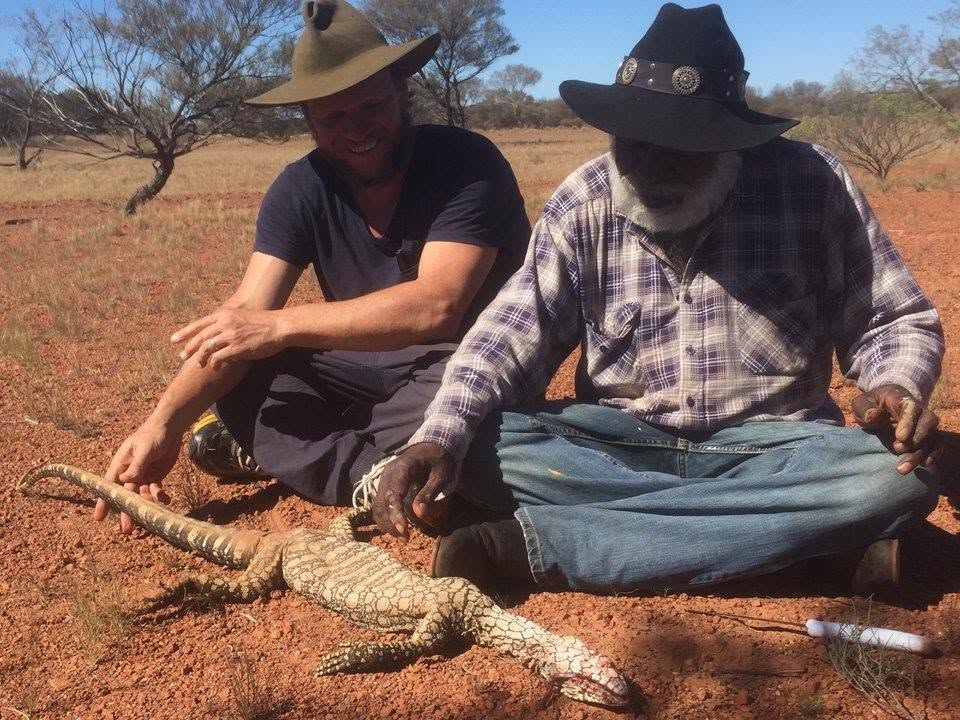
For me, the song became the jewel in the crown of that journey.
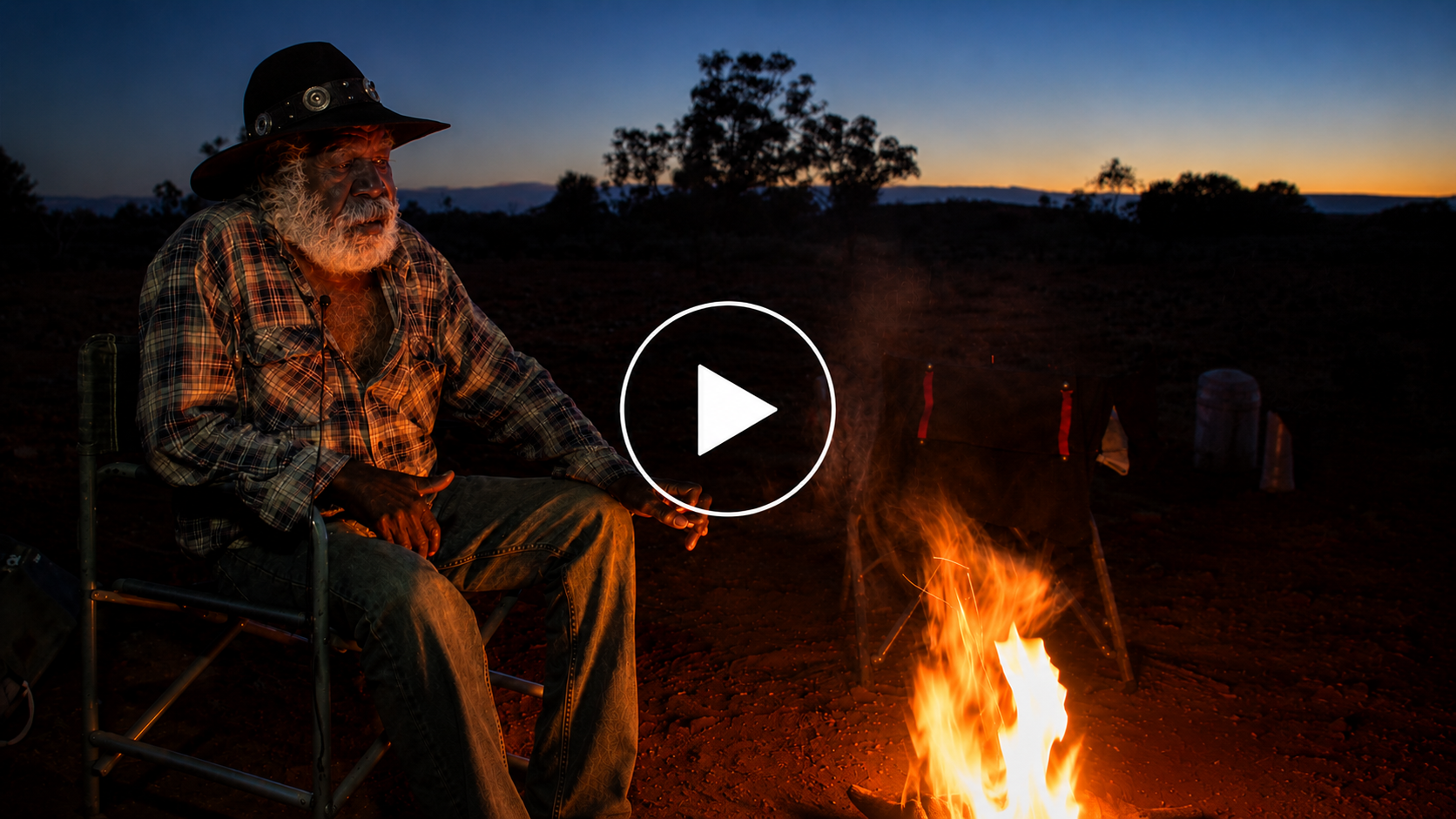
I made a separate short documentary with Uncle Glen about the song and called it Song Medicine. It later screened at TEDx Sydney, but all these years later it is not the screening that I remember most. I remember Uncle Glen, the families, that little bus and the vast desert outside the window. I remember listening to him sing and beginning to understand something about the extraordinary role that culture, Country and connection can play when people are living with grief.
Looking back, what also strikes me is that nobody on that bus was travelling alone. The Leonora families were travelling together, sharing stories, memories, sadness and laughter as we crossed Country. I was carrying my own experience of losing my brother and two close friends to suicide. Uncle Glen was carrying something too, cultural knowledge about grief that had been passed from one generation to another.
Today we might describe some of this through ideas such as social and emotional wellbeing or cultural protective factors. But on that bus these weren’t abstract ideas being discussed in a conference room. We were experiencing something much more human. Country, kinship, culture, story and song were all present, and grief was allowed to be present too.
I think that is one of the things Uncle Glen’s song has taught me. Healing does not necessarily mean leaving grief behind. Grief has its own time and its own journey. What matters is how we carry it, who walks beside us, and the things that keep us connected to family, community, culture and one another. These ideas sit at the heart of culturally grounded approaches to healing today, where grief is understood not simply as an individual experience, but something that can be held collectively through connection, culture and community.
There is an image from Uncle Glen’s story that has never left me. The old people walking across Country did not leave the person they loved behind. They carried them. They carried their sorrow together, and as they walked, they sang. In its own quiet way, that old song speaks to something we are still trying to understand today about healing after suicide: that connection after loss matters, that culture matters, and that supporting people through grief is itself an important part of preventing further loss.
Uncle Glen has since passed away. Before his passing, he gave me permission to continue sharing Song Medicine, and I have always regarded that permission as something precious. On World Suicide Prevention Day, 10 September, I want to share the film again through BushTV in honour of Uncle Glen, the families of Leonora who allowed me to travel alongside them and tell part of their story, and all families, Indigenous and non-Indigenous, who have been touched by suicide.
There are many of us, and each of us carries that loss differently. Song Medicine does not offer a simple answer to grief or suicide. What Uncle Glen gave us was something quieter and perhaps more enduring: a piece of cultural knowledge about how people had faced loss for generations, and a reminder of the healing that can be found in Country, culture, connection and carrying grief together.
All these years later, when I watch Song Medicine, I am back on that little bus. I see Uncle Glen. I remember the families of Leonora and that long road through the desert. And I hear an old song reminding me that while grief may become part of what we carry, we do not always have to carry it alone.
Support is available
If this film raises anything for you, support is available.
13YARN
13 92 76
Aboriginal and Torres Strait Islander crisis support, 24 hours a day, 7 days a week.
Lifeline
13 11 14
Crisis support and suicide prevention, 24/7.
Suicide Call Back Service
1300 659 467
Free professional counselling, 24/7.
Kids Helpline
1800 55 1800
Free support for young people aged 5 to 25, 24/7.
If you or someone else is in immediate danger, call 000.
No Comments