
Looking After Our Turtles: Stories Carried Across Sea Country
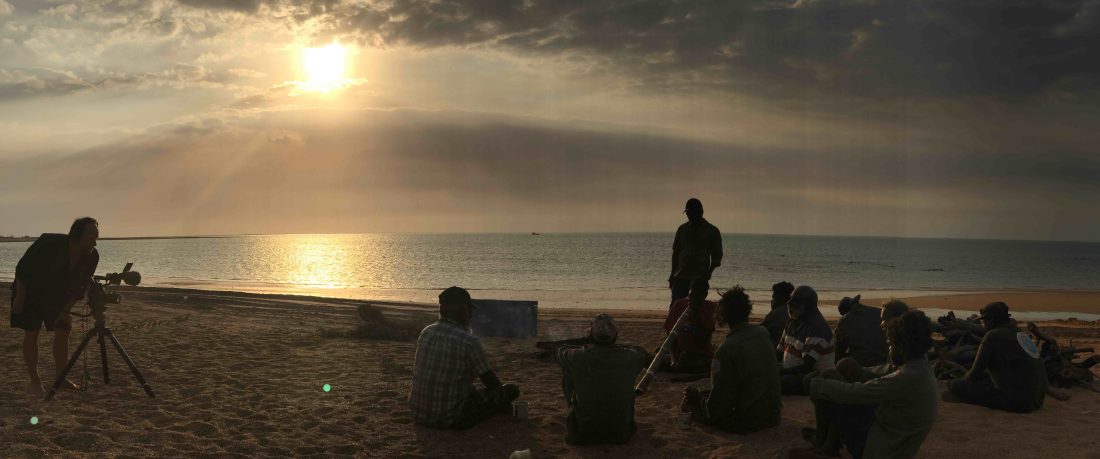
(Main Image – Filming of Turtle Songline on Crocodile Islands)
Aboriginal and Torres Strait Islander viewers are advised that this film contains images, voices and names of people who have since passed away. BushTV acknowledges and pays our deepest respects to their families, communities and Elders, and honours their enduring contribution to caring for Country and passing on cultural knowledge.
Across the northern coast of Australia, turtles have travelled the same ocean highways for thousands of years. Long before maps, marine parks or conservation plans, Aboriginal and Torres Strait Islander peoples understood these migrations, cared for nesting beaches and developed cultural laws that ensured turtles would remain part of life for future generations.
For many coastal communities, turtles are far more than a source of food. They are part of identity, ceremony and story. They appear in Songlines that connect families to Country and Sea Country, carrying knowledge about seasons, tides, responsibility and respect. Every hunt is connected to a much larger story about caring for Country.
This understanding sits at the heart of Indigenous Protected Areas.
Across Australia’s IPA network, Traditional Owners continue to bring together ancient cultural knowledge with contemporary ranger practice. Elders share knowledge accumulated over countless generations while younger rangers combine those teachings with modern monitoring, research and conservation. Together they represent one of the world’s oldest and most enduring systems of environmental management.
The documentary Looking After Our Turtles: Our Culture, Our Future captures this relationship with honesty and authority. Rather than presenting turtles simply as a threatened species, it tells the story through the voices of the people who have lived alongside them for millennia.
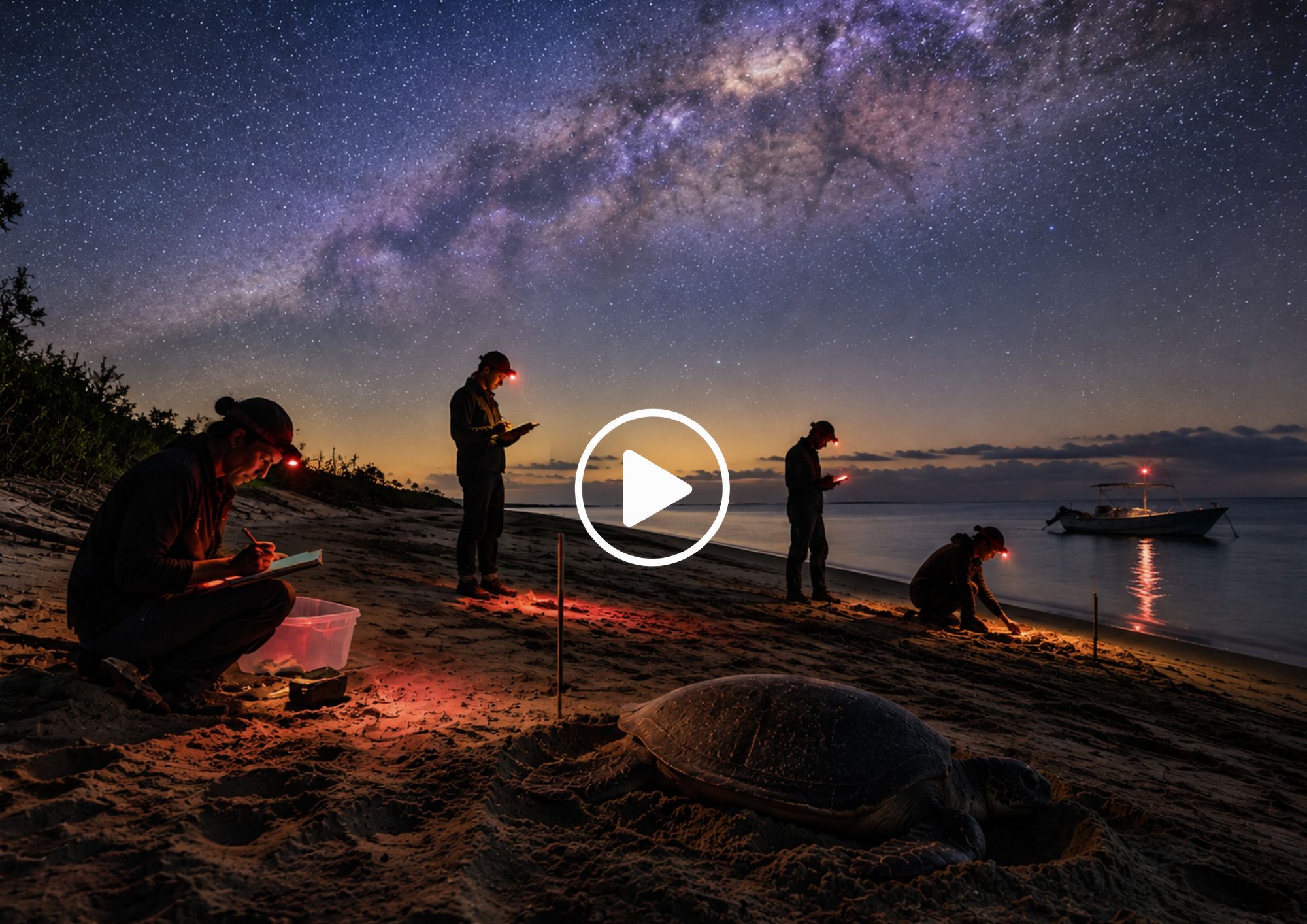 The film acknowledges that today’s turtles face challenges previous generations never imagined. Ghost nets drift onto beaches. Plastic pollution enters the sea. Vehicles damage nesting sites. Coastal development changes traditional breeding areas. Rangers also speak openly about the importance of ensuring harvesting remains sustainable so future generations can continue cultural practices.
Importantly, these conversations are not framed as a choice between culture and conservation. They demonstrate that the two have always been intertwined. Traditional law has long recognised that taking only what is needed, respecting breeding seasons and understanding whose Country you are on are fundamental responsibilities rather than restrictions.
As one ranger explains, turtles should be hunted “only enough for your family.” Another reflects that people must seek permission to hunt on another group’s Country because these responsibilities are held collectively, not individually. Others describe removing ghost nets, cleaning beaches and protecting nesting areas as part of caring for Sea Country. Together, these voices remind us that sustainability is not a new concept. It is embedded within cultural practice itself.
This is why Indigenous Protected Areas matter.
They protect habitats and species, but they also protect knowledge systems that have evolved through thousands of years of observation, adaptation and care. Every Elder sharing a story, every young ranger monitoring a nesting beach, every community passing cultural knowledge to the next generation is helping to ensure that both turtles and culture continue to thrive together.
TRACKS exists to celebrate these stories.
Because every Indigenous Protected Area holds more than remarkable landscapes. It holds living knowledge, enduring relationships with Country and stories that continue to guide how people care for land and sea today.
The future of Australia’s turtles is inseparable from the people who have cared for them since time immemorial. By listening to those voices, we are not simply learning about conservation. We are learning another way of understanding our place within Country.
No Comments