
Before We Say Goodbye
By Tom Hearn
Dedicated to the families of Mornington Island who continue to choose love, even in the shadow of unimaginable loss.
Mclean should have been sitting beside his brothers and sisters.
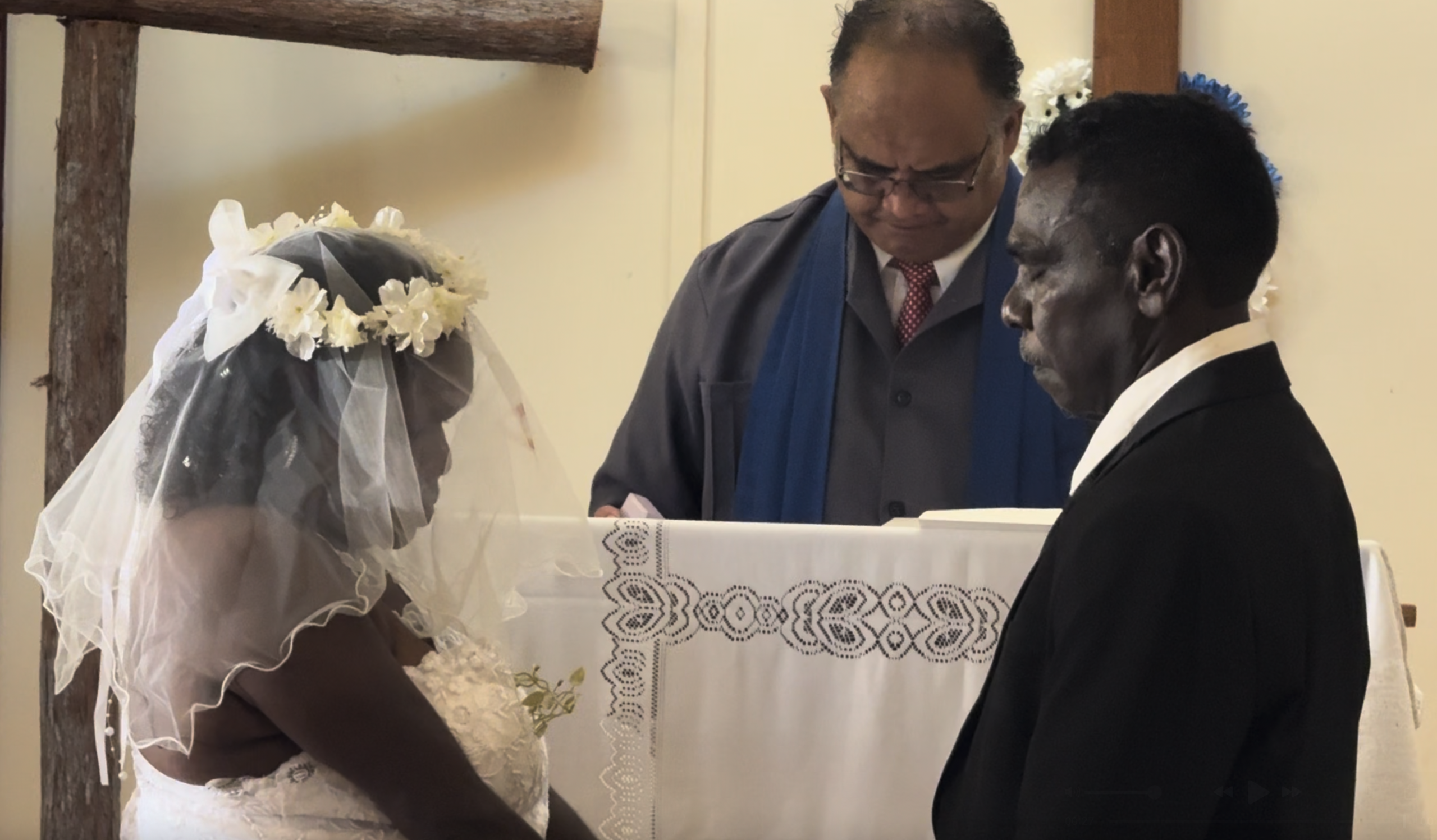
Instead, his photograph watches over the wedding ceremony. Today, his parents are finally marrying after twenty-seven years together.
Only weeks earlier, Mclean died by suicide. Yet here stands Tony beside Lynice, choosing love before they say goodbye to their boy.
This is not simply a story about loss. It is a story about what survives loss. About love. About family. About the quiet courage of two parents who find the strength to keep walking when every step feels impossible. And it is about a community that refuses to let grief be carried by one family alone, choosing instead to stand together, to bear witness, and to remind one another that even in the darkest moments, no one walks alone.
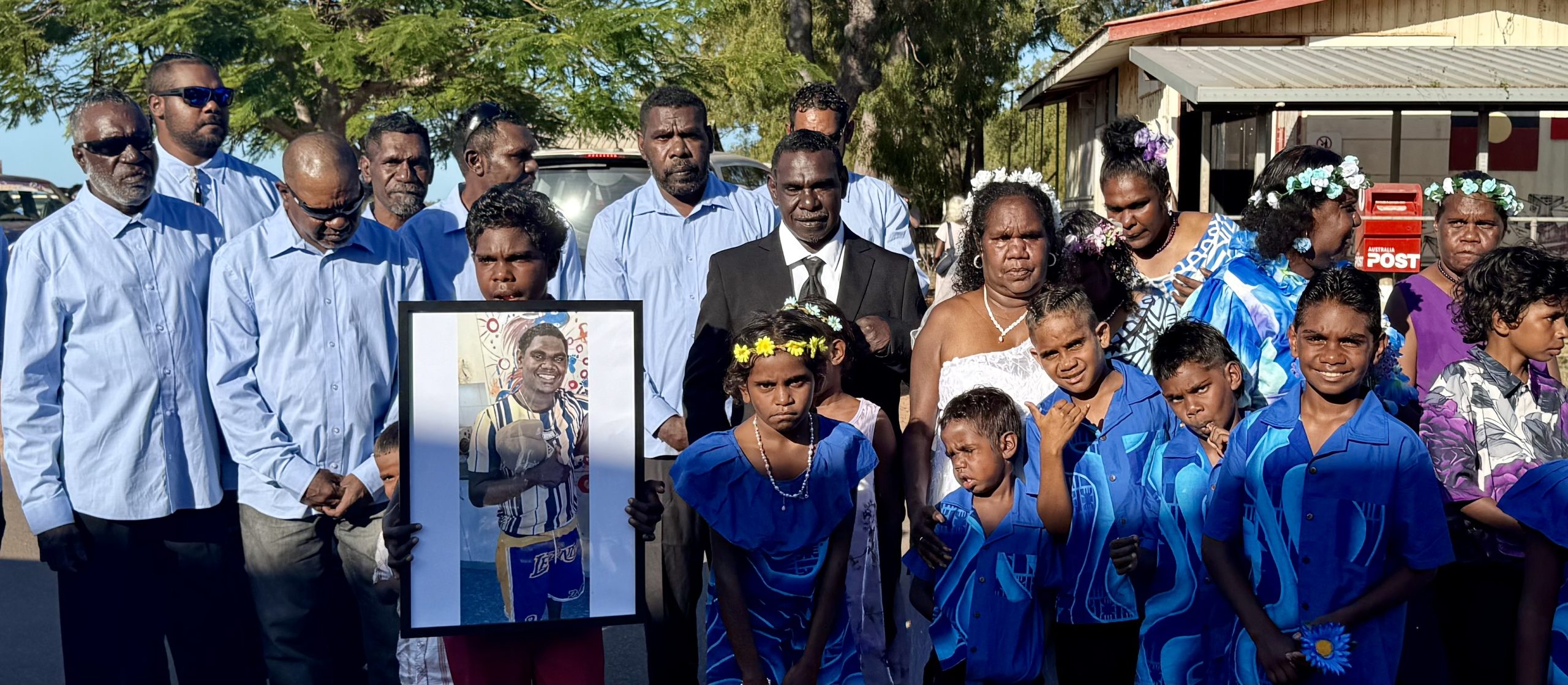 More than a hundred people fill the small church that morning. Aunties fan themselves in the tropical heat while children weave between the rows of seats before being gently called back by their parents. Elders greet one another with quiet smiles and warm embraces, and football mates stand shoulder to shoulder. Dogs wander in and out of the church as naturally as the people themselves, unnoticed and unhurried, a quiet reminder that life continues even in moments of profound significance. Entire families have come, not simply to witness a wedding, but to stand beside two people they love. It is less a gathering of invited guests than a community surrounding one of its own.
Weddings and funerals are often separate moments in the life of a family. On Mornington Island, they feel like two expressions of the same enduring truth: no family carries either joy or sorrow alone. The rituals of standing together, bearing witness, celebrating love and holding space for unimaginable grief are not simply traditions. They are acts of collective care. In a community that has endured so much, they speak quietly but powerfully of resilience. They remind us that while suicide has taken far too many lives, it has not taken away the deep bonds of family, culture and community that continue to hold people together.
For Tony and Lynice, marriage is not about forgetting their son. It is about honouring life while preparing to farewell him.
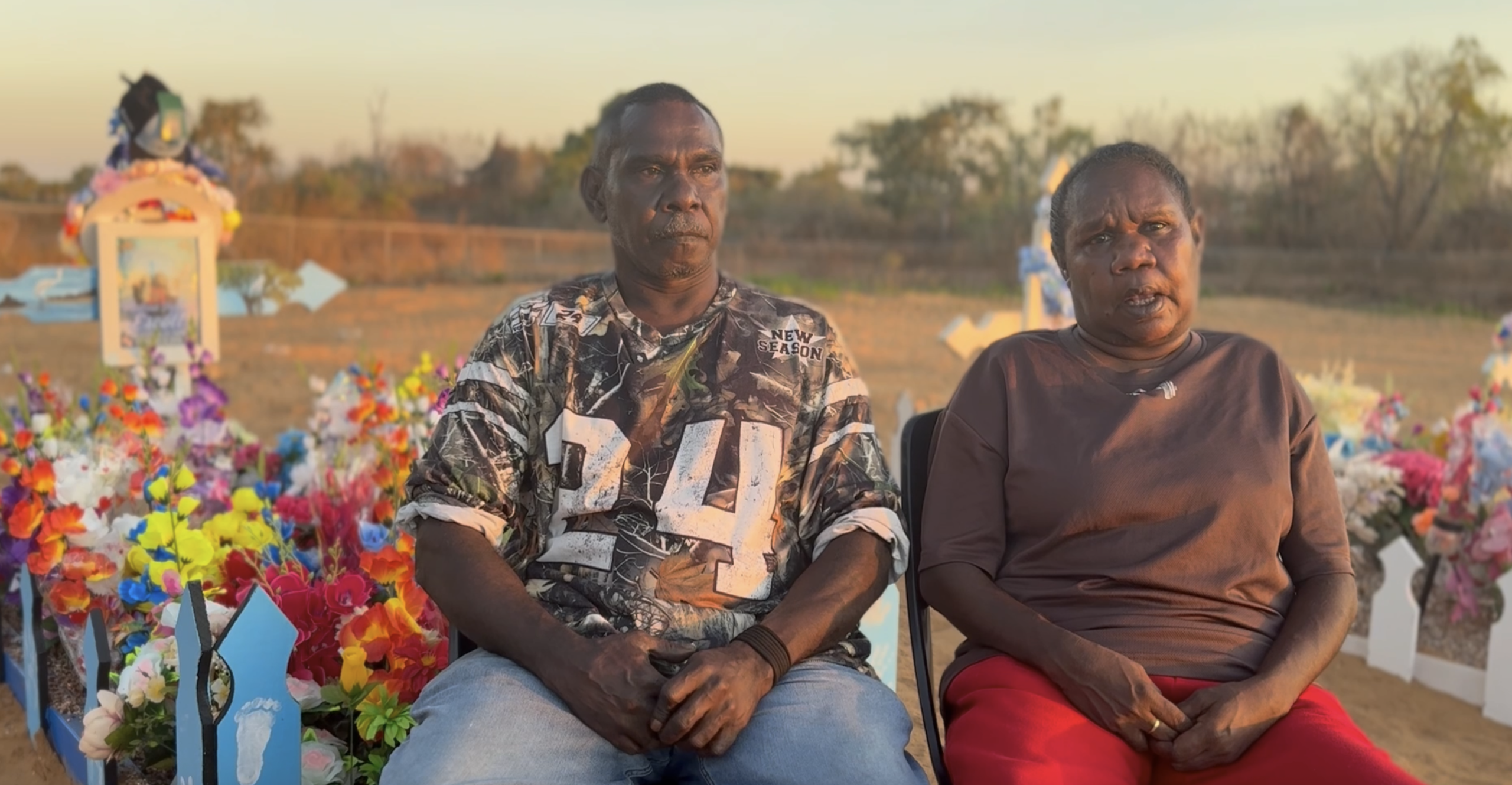
“We’ve been together twenty-seven years,” Tony says later. “We always talked about getting married one day. After everything that happened, we realised life doesn’t wait.
“I needed something that reminded me of what we still had before we buried our boy.”
Tony later tells me he was the one who found his son. It is a burden no parent should ever have to carry.
 For Lynice, there was another reason.
“If I didn’t marry him,” she says quietly, “I’d be burying my son without us being husband and wife.”
During the ceremony, she keeps looking towards Mclean’s photograph. Later, she tells me she felt his presence beside them throughout the day.
“I knew he was there with us,” she says. “It made me strong.”
Those are not the words of parents trying to move on. They are the words of two people finding the strength to keep putting one foot in front of the other.
After the wedding, Lardil Elders speak of the Unseen People. Shared with permission, they describe spirits who belong to Country, always present even when they cannot be seen. Their presence is part of an ancient understanding that Country is alive, that those who have gone before remain connected to this place, and that people are never truly alone.
Their words reveal another kind of unseen people.
Not spirits.
Families.
Mothers and fathers carrying unimaginable grief. Brothers and sisters living with loss that words can barely hold. Children growing up without fathers, uncles, brothers or cousins. Elders who have buried too many young men, yet continue searching for a path that will bring their people home.
 Their pain is real. Their resilience is extraordinary. Yet for much of Australia, they remain unseen.
Beyond the headlines and the statistics lies a community whose voices are too rarely heard. Rich in culture, language and wisdom, Mornington Island is too often noticed only when tragedy briefly captures national attention before the country moves on.
Mornington Island is carrying a grief that is difficult to imagine unless you have stood beside the families who are living it. In the past year, the Island has lost ten young people to suicide. Every death sends shockwaves through a community of around 1,000 people because almost everyone is connected through family, friendship or kinship.
For decades, governments and organisations have come to Mornington Island wanting to solve the crisis. Many have worked with genuine commitment and compassion. Yet among the Elders another conversation has quietly continued. It asks a different question. Instead of beginning with what is broken, what if healing began with what has always kept people strong? Country. Family. Culture. Belonging. Purpose.
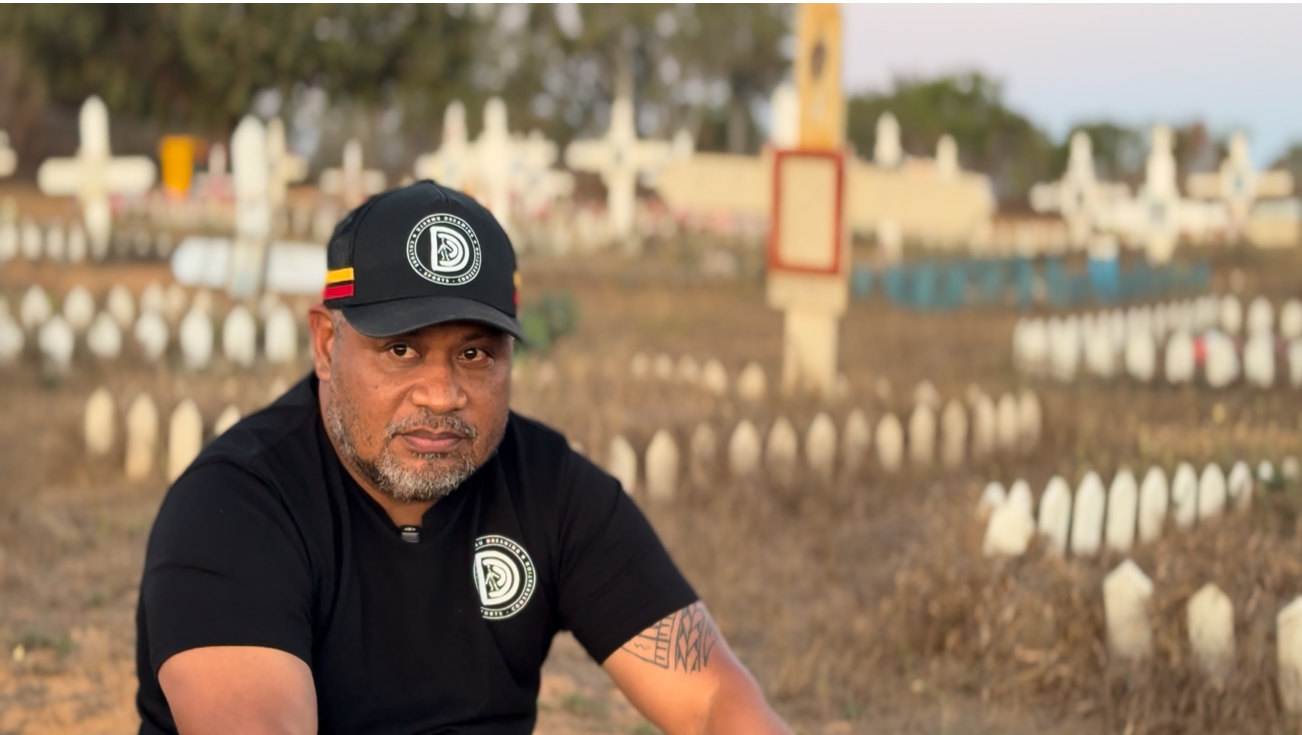 For Lomas Amini, a respected local man who has been through Lardil Lore and has worked alongside Traditional Owners and Elders for decades, those are not abstract ideas. When he speaks about rebuilding the outstations and creating a healing place at Halls Point, he rarely begins with buildings or funding. He remembers his childhood. He imagines smoke rising from evening campfires, fish cooking over coals, children running barefoot along the beach, young men sitting beside Elders long after the conversations have fallen silent, and families returning to Country not because they are in crisis, but because that is where they belong.
“Sometimes blokes don’t need another clinic or another office,” he says. “Sometimes they just need to sit on Country with someone who understands.”
It is a simple idea. The vision is not about replacing clinical care, but allowing clinical care and cultural care to walk together.
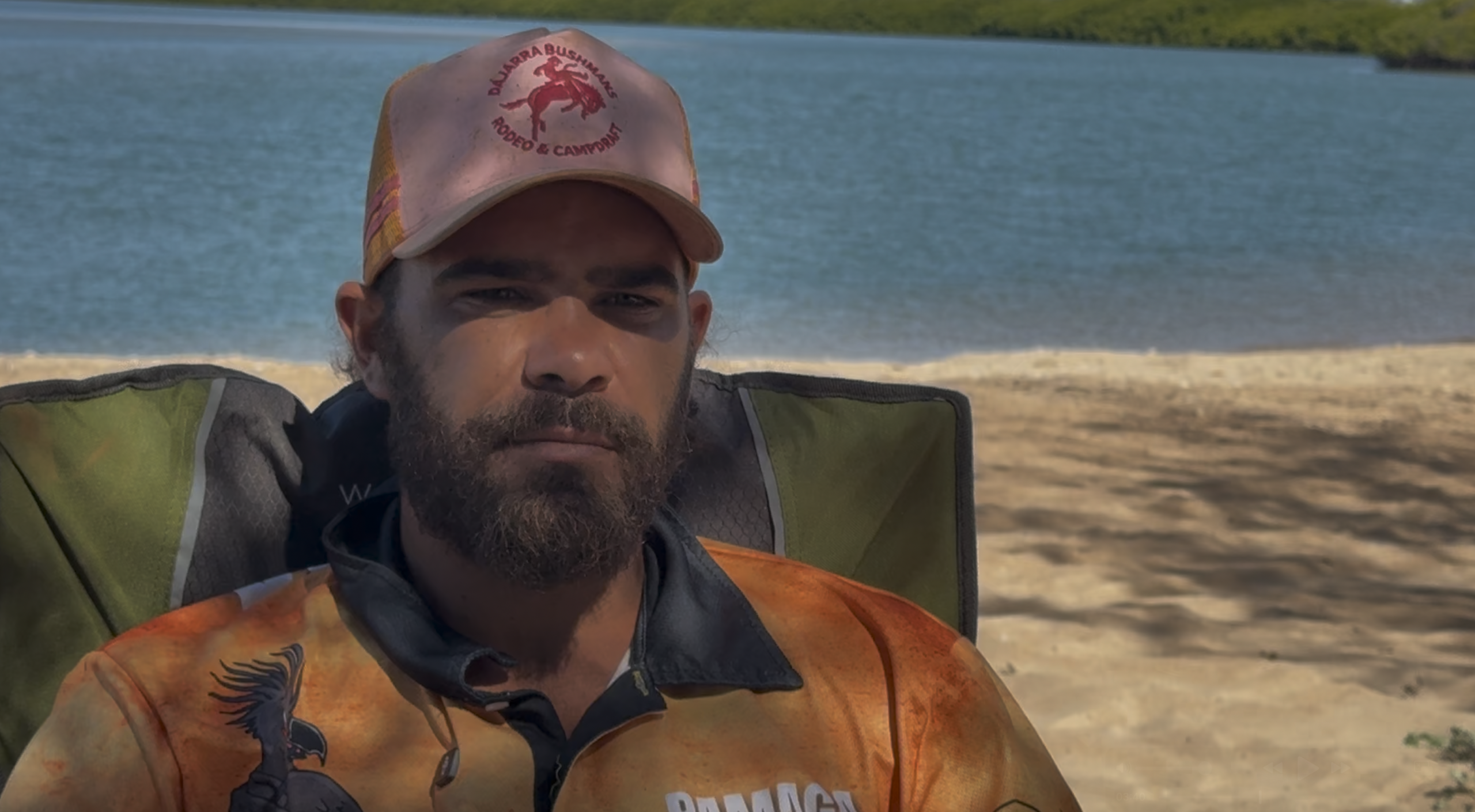 For younger man Oliver Escott-Retchford, the idea is more than a vision. It is something he is already living.
Only weeks before we speak, Ollie and his partner are driving to their outstation when they find themselves caught up in the aftermath of another young man’s suicide. It is one more tragedy in a year that has already brought far too many.
Rather than retreating into town, Ollie chooses to spend more time on Country.
“As for myself,” he tells me, “I normally have to reconnect with Country and go out bush just to get away from all that stuff that goes on in town. Bush is the best place. That’s why I’m out there every day.”
He believes rebuilding the outstations would do more than restore buildings. It would restore purpose.
“It takes away a lot of the temptations for the younger ones,” he says. “Being at bush, you can run free. You reconnect with your culture, your family and yourself.”
Later, as we sit overlooking the sea, he reflects on what healing has meant for him.
“The best thing for me was to move back to my outstation,” he says. “That’s where I’ve been dealing with it way better than I ever could in town.”
Lardil Senior Traditional Owner Johnny Williams believes local people have never lacked wisdom.
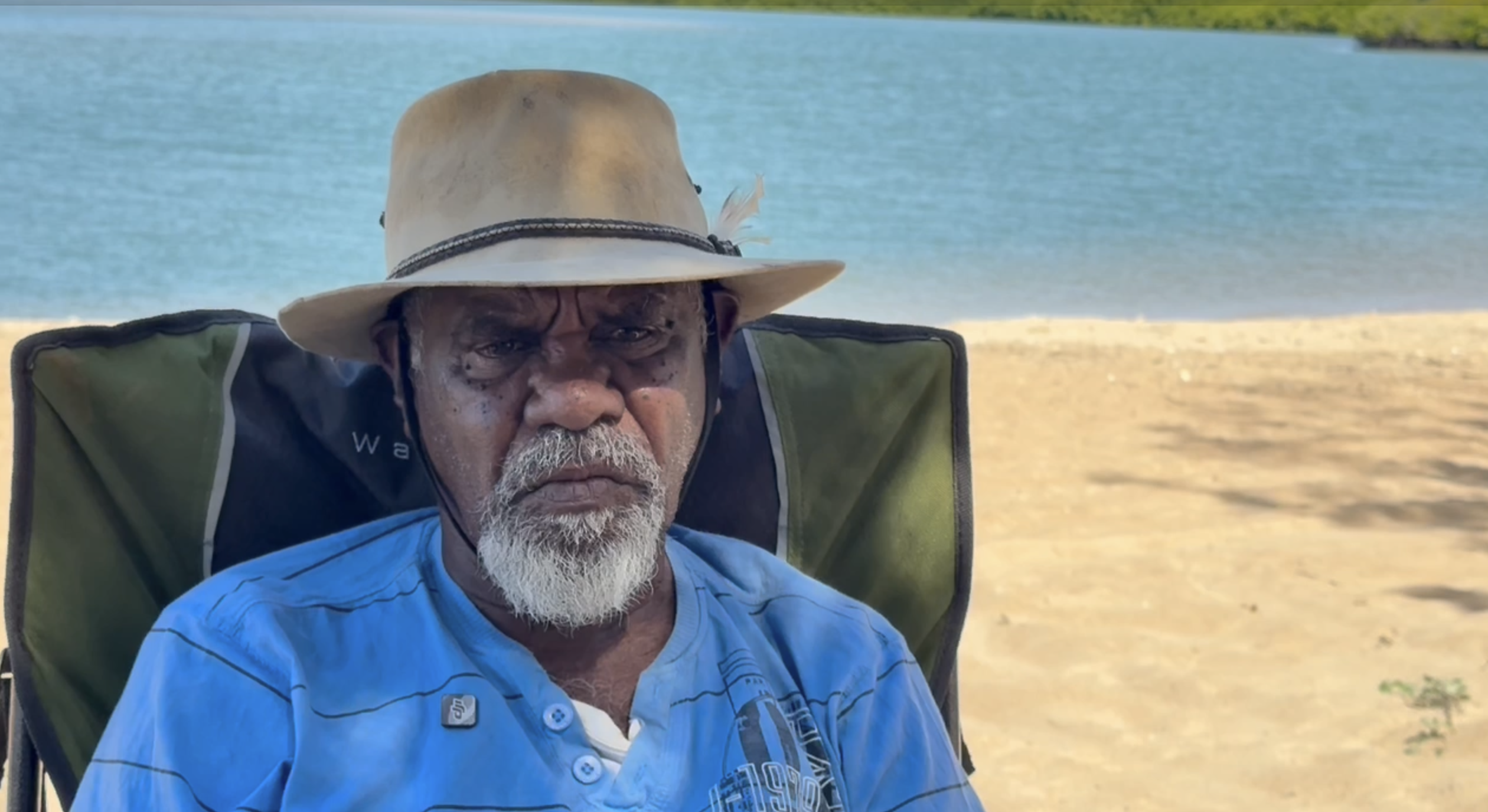 “Our people know what our people need,” he says. “We want our outstations built up, to work with services, but we also want our voices at the centre – nobody listens.”
Then he pauses.
“Our health and wellbeing has become an industry.”
No one believes there is a single answer to suicide. But among the Elders there is a quiet knowing that the path towards healing already exists. In conversations with more than 20 Elders over several weeks, one message was repeated again and again: healing lives in connection to Country, language, culture, family and community.
Three weeks after the wedding, the community gathers again. This time there are no vows. Only farewells.
Lynice chooses to hold her son Mclean’s funeral on her own birthday. There will be no celebration on this day. Instead, she spends it surrounded by family and community, saying goodbye to the boy she carried into the world.
 More than a hundred people gather once again at the small church overlooking the Gulf. The same faces who celebrated Tony and Lynice’s marriage now stand beside them, helping carry the unimaginable. Prayers are offered. Tears fall freely. Mclean’s name is spoken again and again with tenderness, laughter and love. Grief moves quietly through the entire congregation,
When the service concludes, the mourners make their way to the beach cemetery. Beneath the vast Mornington Island sky, surrounded by sea, sand and family, the farewell continues. The grave has already been prepared, but nobody is in a hurry. Love takes its time.
Children move between family groups. Old friends embrace. Stories are shared, and long silences are accepted without discomfort. People remain together for hours, as though leaving too soon would somehow leave the work of love unfinished.
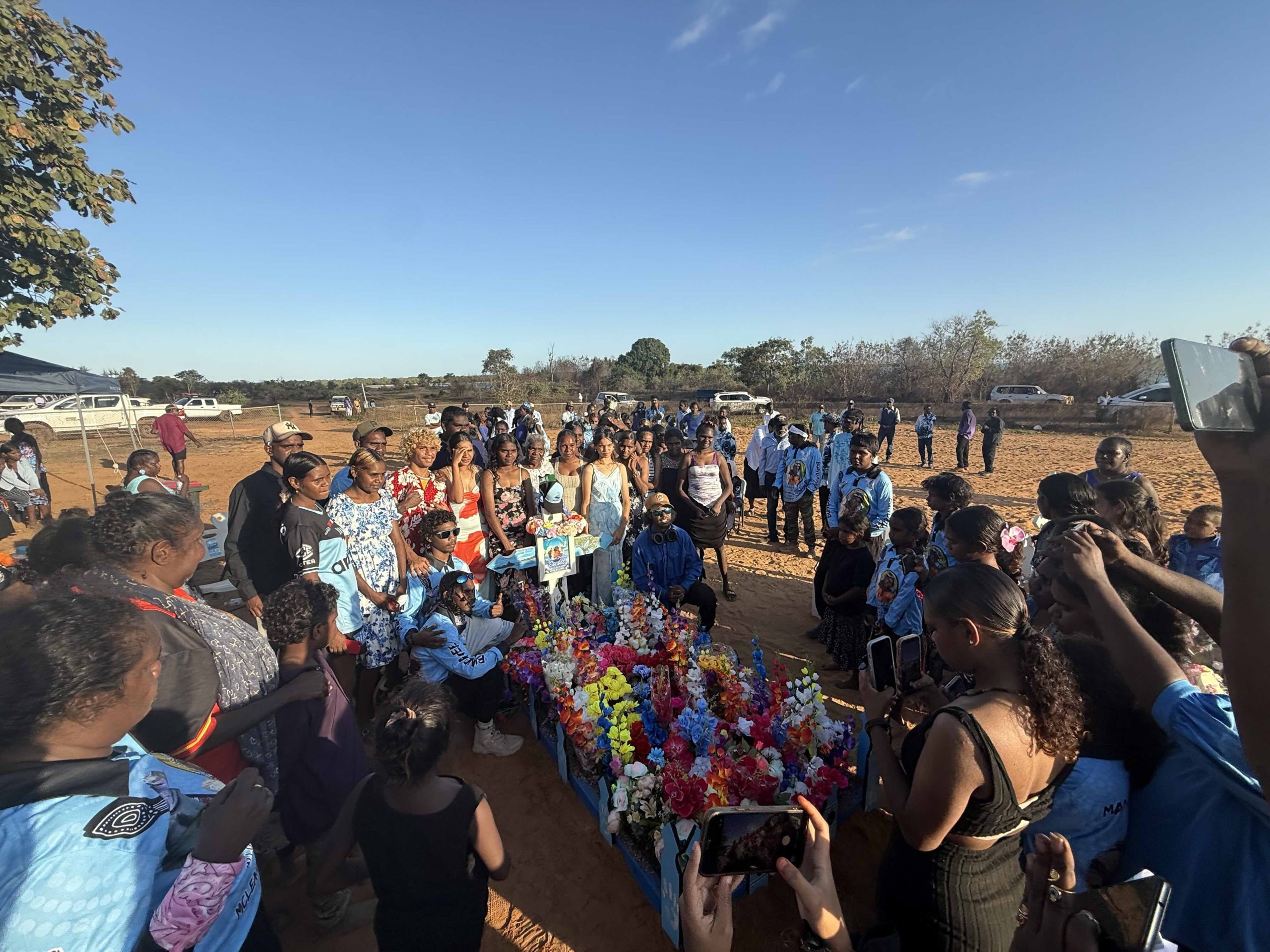
As the afternoon stretches towards sunset, the men step forward one by one to bury Mclean. Each takes a turn with a shovel, quietly sharing the responsibility. No one is asked. No one is left to carry the burden alone. It is a simple act, but one that speaks deeply of community, of shared grief and of the understanding that every loss belongs to everyone.
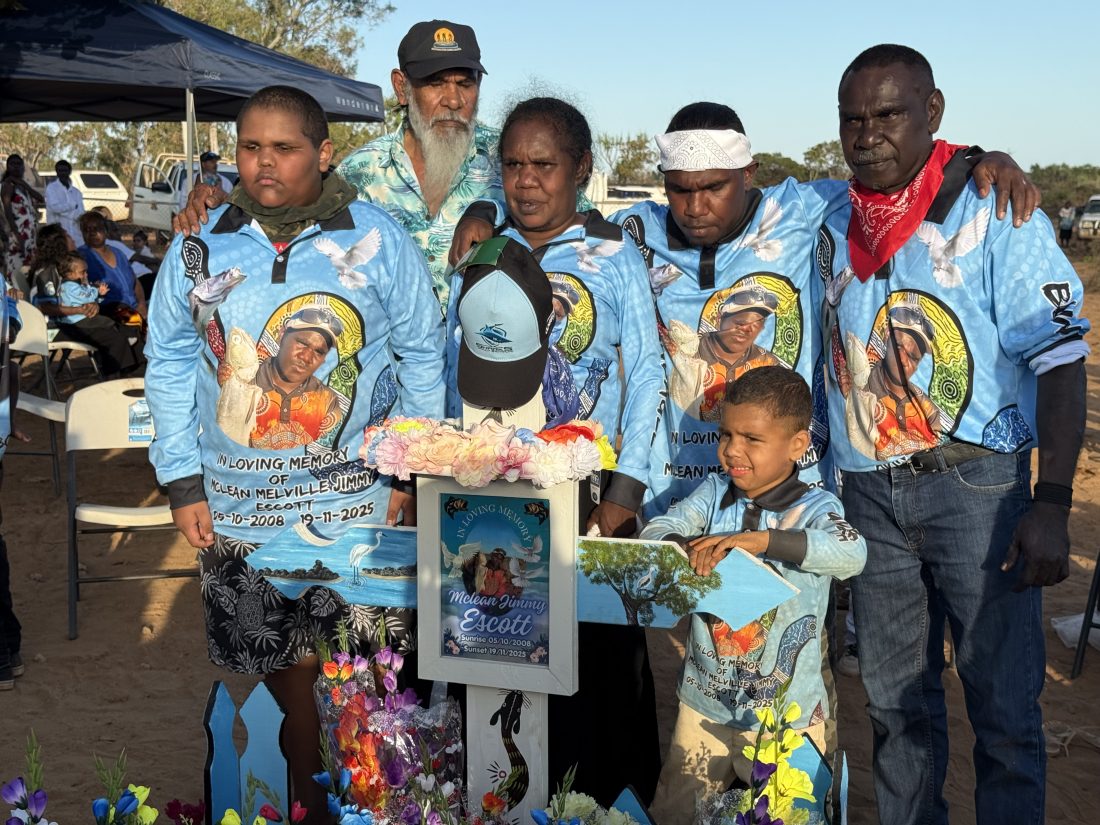
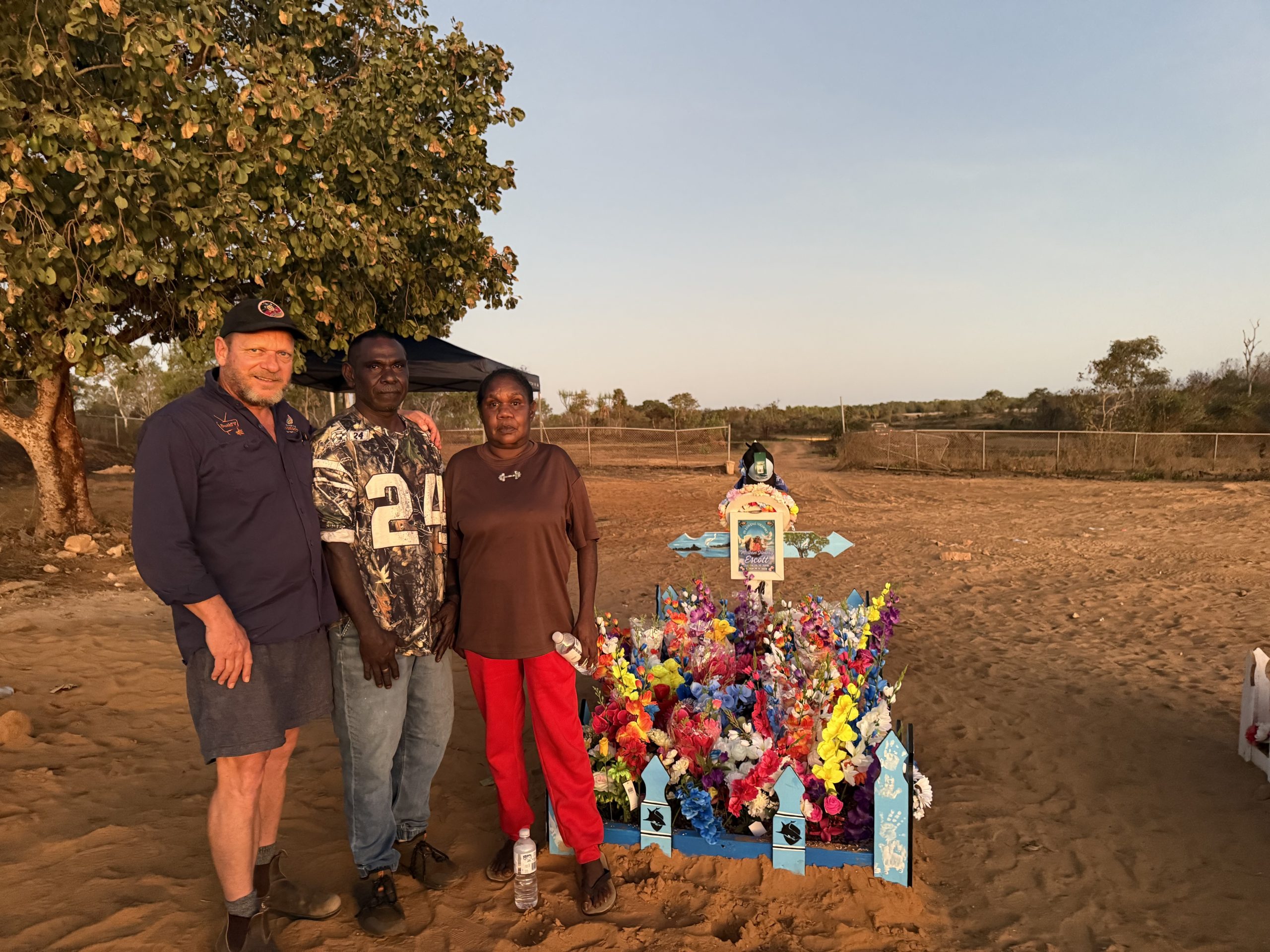
When the final shovelful of earth is placed, a beautiful blue handcrafted grave surround is carefully positioned around the fresh mound. A hand-painted wooden cross stands at its head, and flowers of every colour are gently laid across the grave until the earth is almost hidden beneath them. The care taken with every detail reflects the love held for a young man whose life ended far too soon.
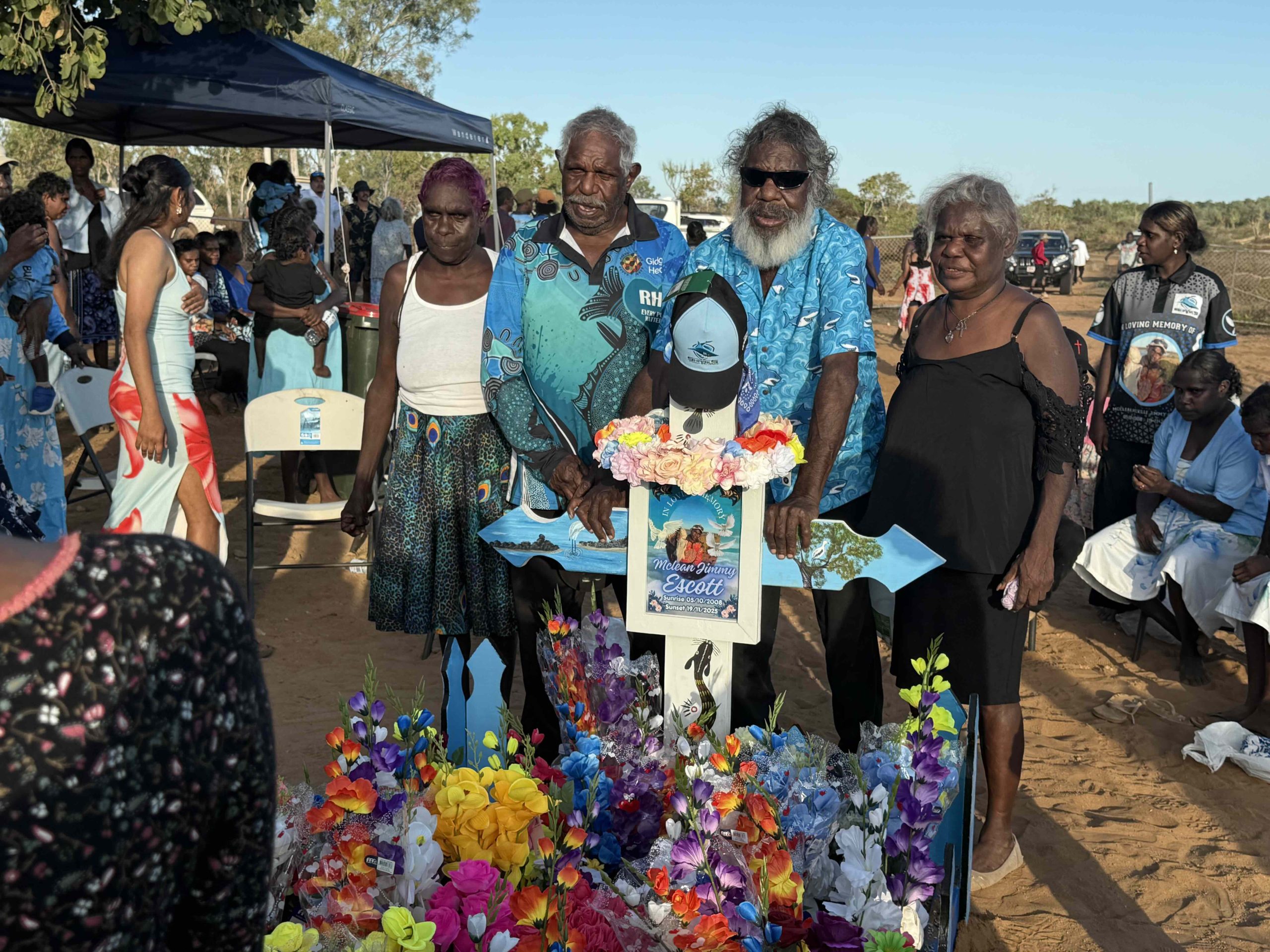 Then, one family at a time, people quietly gather beside Mclean’s grave. Holding the cross together, they stand for photographs. Parents, brothers, sisters, grandparents, aunties, uncles, cousins and lifelong friends all take their turn.
These are not simply family photographs. They are a declaration. Mclean still belongs.
As the last people drift away, a golden light settles across the Gulf. Long shadows stretch across the cemetery as the tide quietly rises and falls beyond the dunes.
Mclean now rests in the Country that shaped him. Beside him rests his Pop. Around them, the Unseen People remain, just as the Elders have always known. The living walk home. He is not alone.
 Author’s Note
The community has a vision for a different future. It is a future built not only on services, but on strengthening what has always sustained the Lardil people: Country, family, culture and belonging. Elders and local families speak of rebuilding the homelands, creating places where people can reconnect with Country, spend time with one another and support healing across generations.
Whether that vision becomes reality depends not only on the commitment of the Mornington Island community, but on whether governments, organisations and the wider Australian community are prepared to listen, work in genuine partnership and place local voices at the centre of the solutions.
I hope this story encourages more Australians to do exactly that.
Watch the short documentary Healing on Country and share this story to support Mornington Island families to build up their homelands.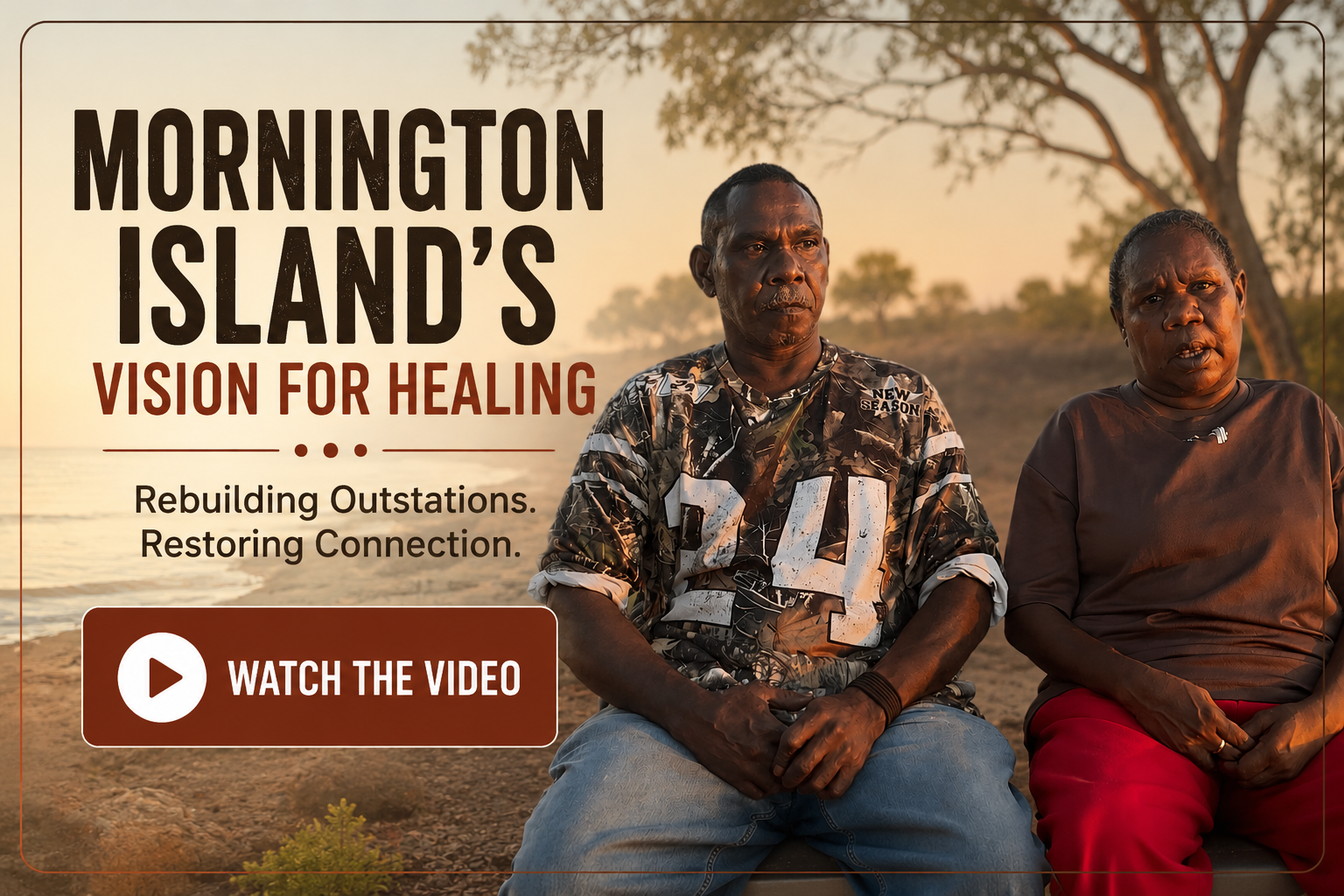
No Comments