

Algngga: Rebuilding a Shelter, Reawakening Knowledge (Kowanyama)
What began as a documentary about a traditional shelter became something much deeper. It was about cultural memory, intergenerational knowledge, language, Country and the remarkable determination of Olkola Elders to ensure an important part of their cultural heritage was not lost.
For more than 80 years, the traditional Algngga raised messmate bark shelter had not been built around Kowanyama.
Once, these shelters were an essential part of life on Western Olkola Country. As the first storms rolled across the horizon and the wet season approached, families prepared for months of flooding, mosquitoes, sandflies and boggy ground. Built from the bark of the messmate tree using knowledge passed down over countless generations, the shelters lifted people above the wet ground while allowing air to circulate beneath them. They were practical, elegant and perfectly adapted to Country.
But like so much traditional knowledge, the practice had almost disappeared.
Working alongside respected Elder Uncle Vivian Sinnamon and a group of senior men, I had the privilege of documenting something that very few people alive had ever seen: the construction of an Algngga using traditional methods.
Every stage of the build became a lesson. The selection of the right trees. The careful removal of bark. The placement of every pole. The stories shared while hands worked together. Language flowed naturally throughout the process, with every part of the shelter connected to Olkola names, seasons and cultural understanding.
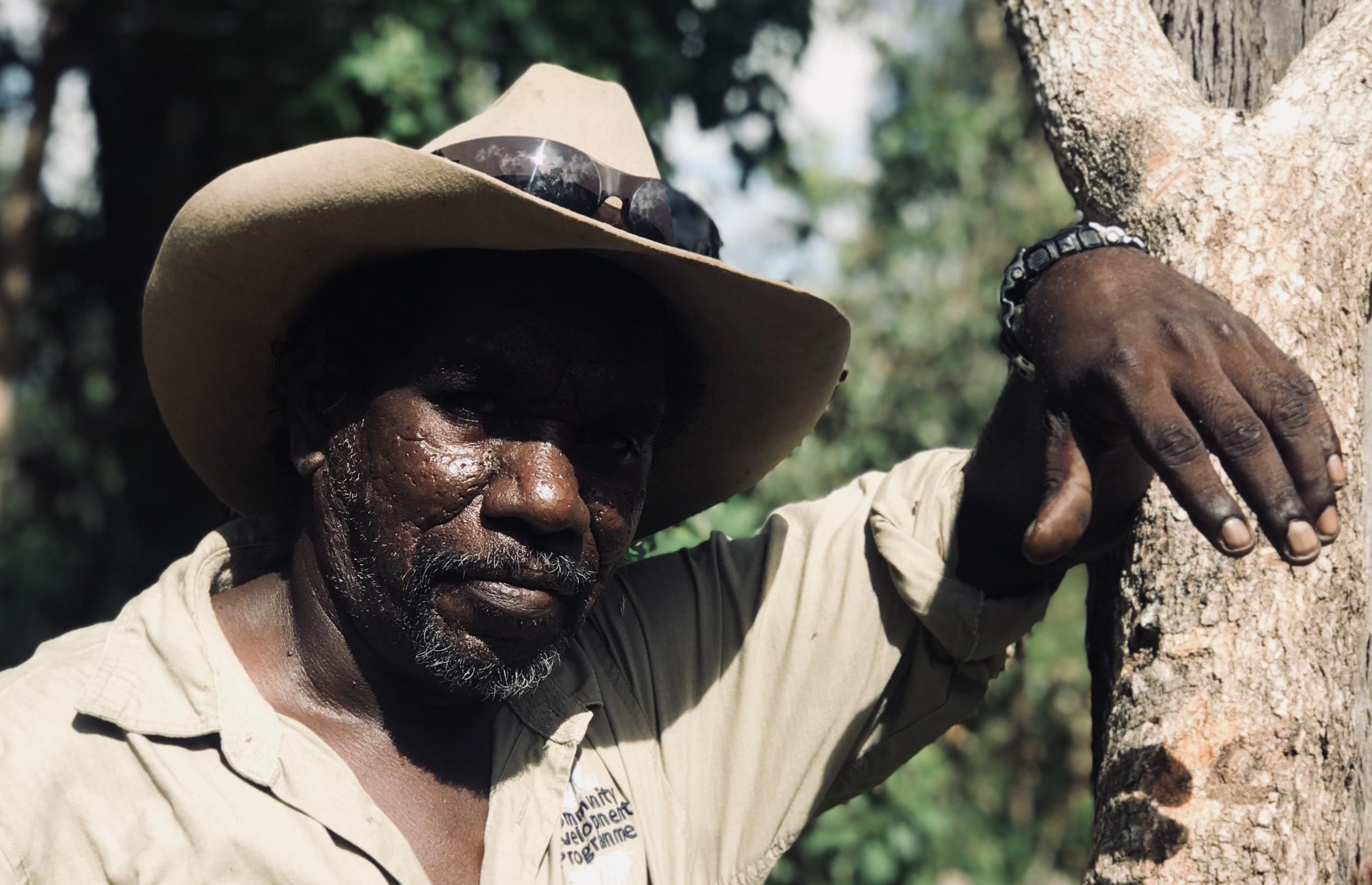 As a documentary maker, there are moments when you realise you are witnessing history rather than simply recording it. This was one of those moments.
The finished documentary became more than a record of a shelter being built. It captured knowledge being transferred, Elders teaching younger generations, and a cultural practice returning to life after decades of absence.
The story did not finish in Kowanyama.
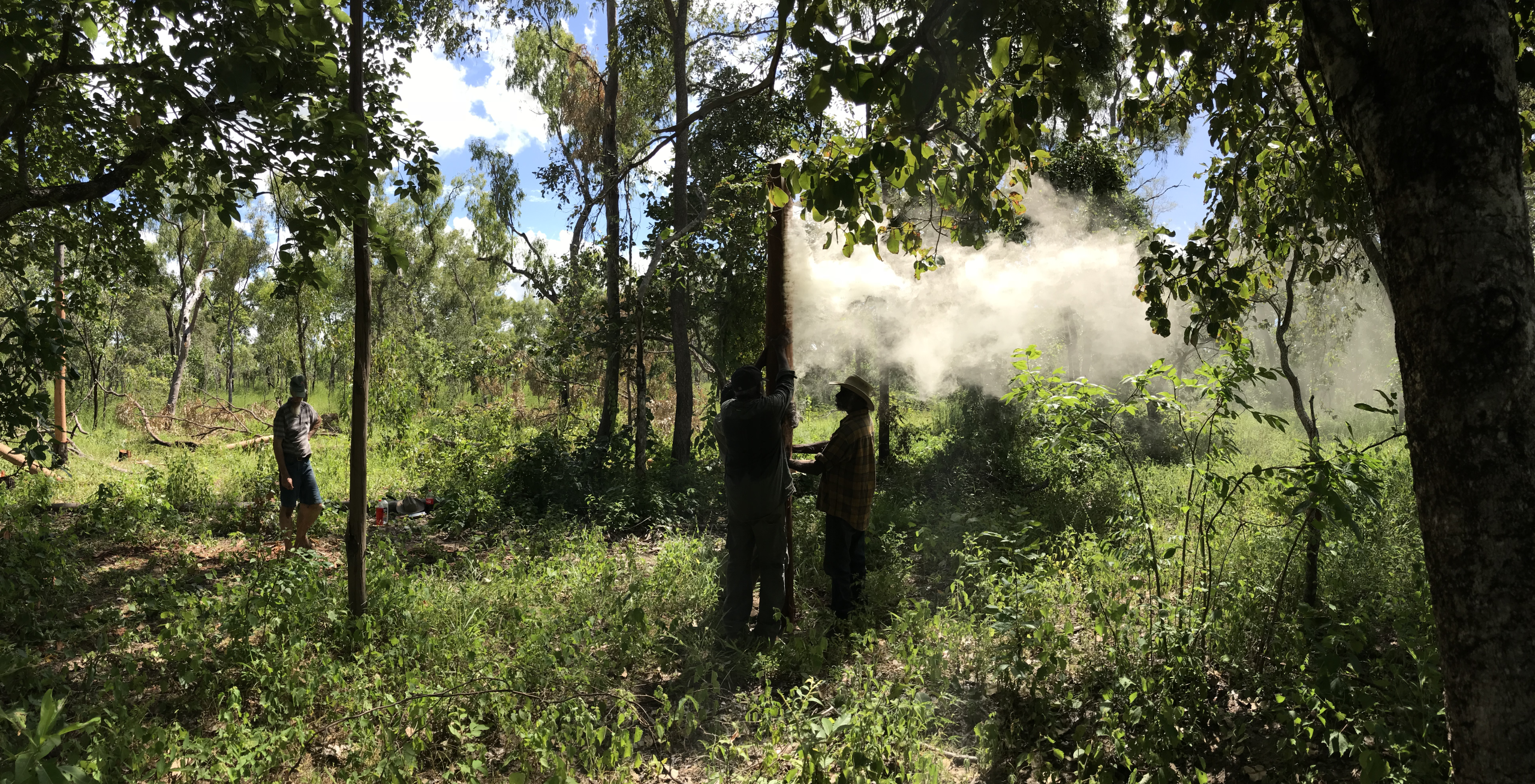 The project continued at UMI Arts in Cairns, where the men travelled to create an installation featuring a smaller version of the Algngga shelter. Presented in a gallery setting alongside photographs and film from the project, the installation allowed audiences to experience not simply an object, but the story, language and cultural significance behind it.
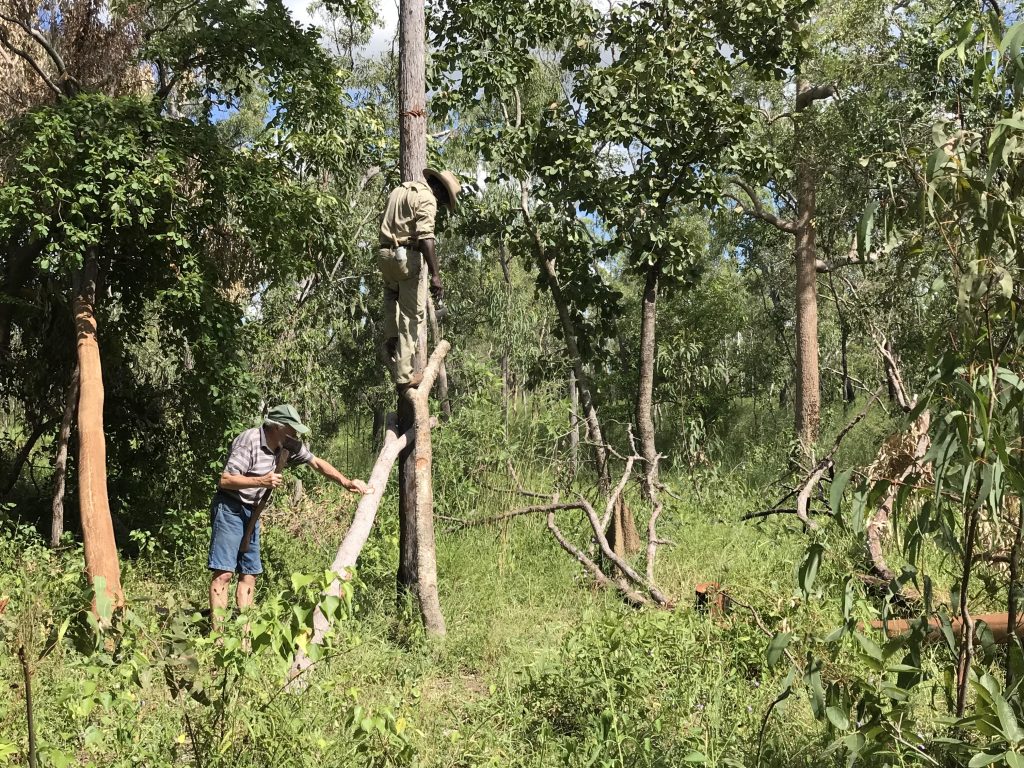
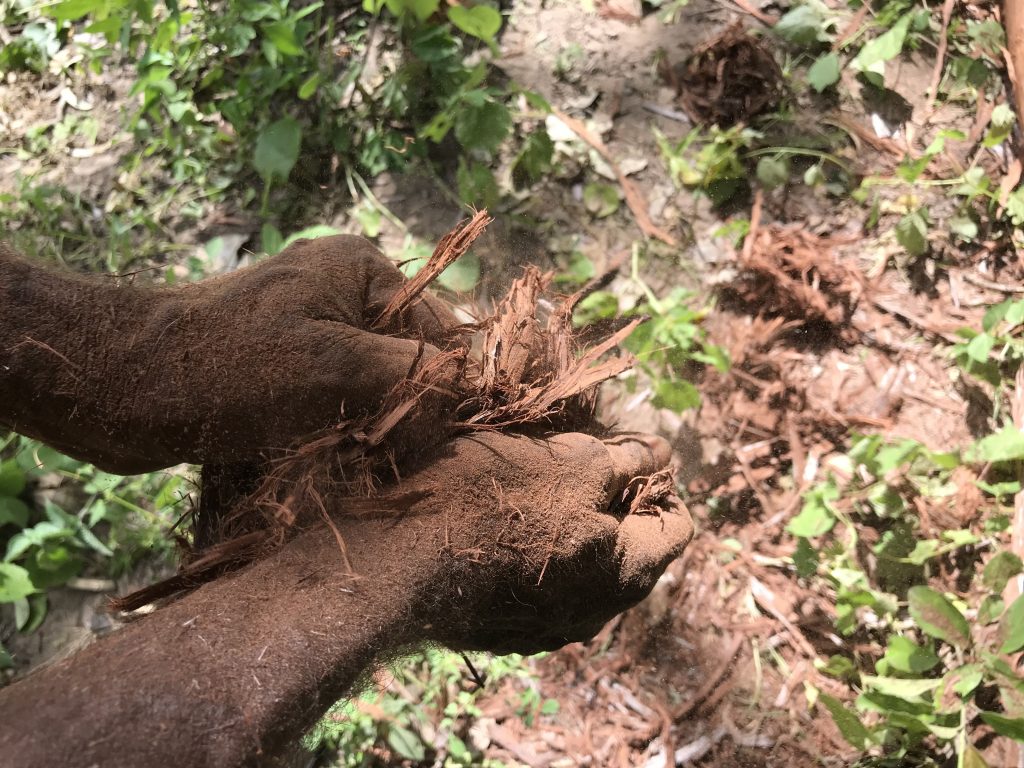
Watching visitors engage with the installation reinforced something important. Culture is not preserved by placing it behind glass. It survives because people continue to practise it, teach it and share it on their own terms.
For me, Algngga remains one of the most rewarding projects I’ve been involved in.
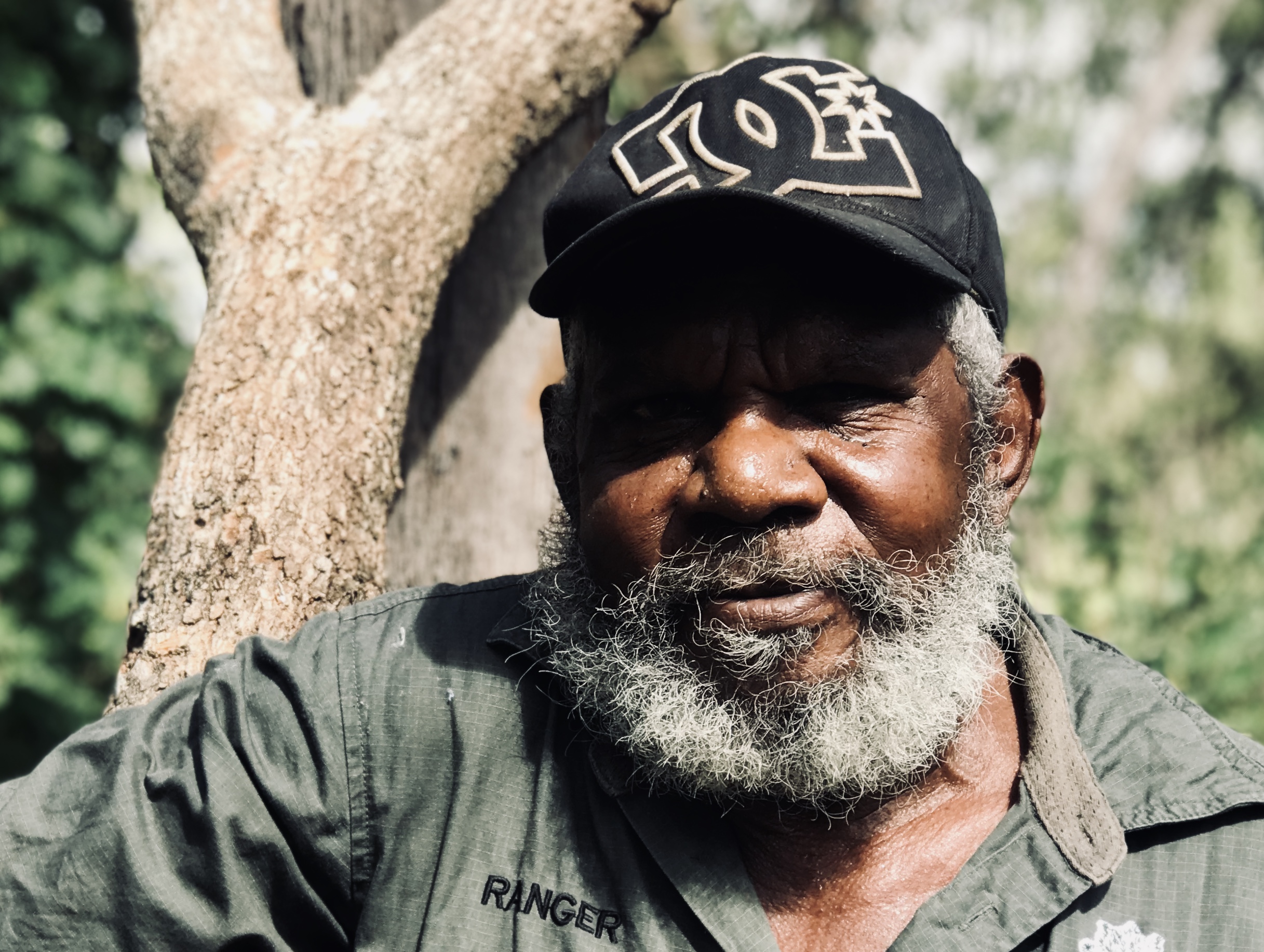 It reminded me that documentary storytelling is at its best when it steps back and allows communities to tell their own stories. The role of the filmmaker is not to become the story, but to create a respectful space where knowledge can be shared, remembered and carried forward.
Today, the film stands as a permanent record of a remarkable cultural revival, but perhaps its greatest legacy is that the knowledge of building an Algngga is no longer confined to memory. It has been rebuilt, recorded and shared for future generations.
Some stories document the past. Others help ensure it has a future.
Story by Tom Hearn
No Comments