
Documentary Mentorship
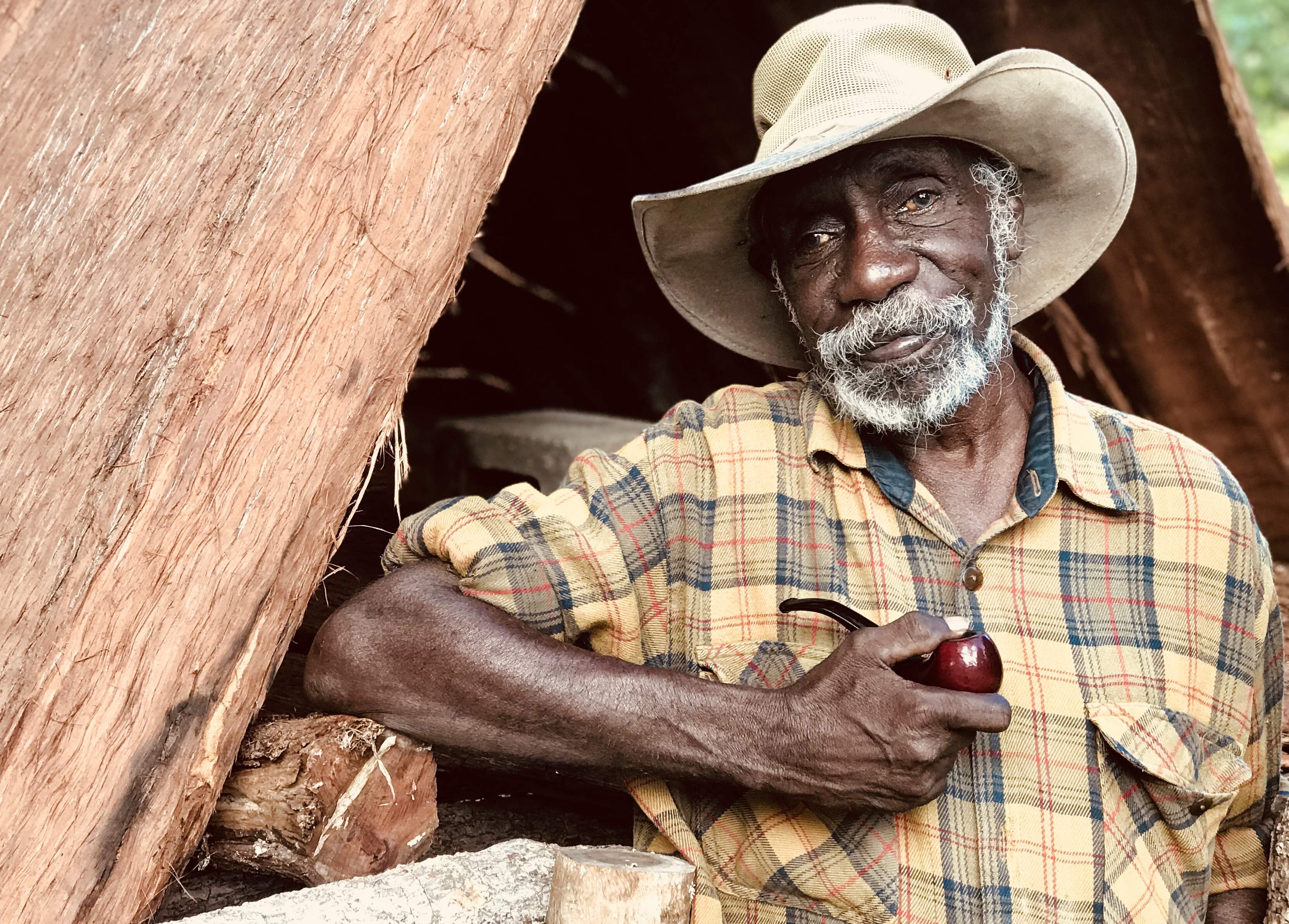
Uncle Simpson Yam - Good Fortune Comes in ThreesBushTV Documentary Mentorship
Story Craft, Ethics, and Allyship in Practice
The BushTV Documentary Mentorship is a once-per-year offering for people who want to work creatively, responsibly, ethically, and with care in Indigenous, enterprise, regional, and remote community contexts.
Indigenous participants are warmly welcome and the program is also structured to support non-Indigenous aspirants to become better allies, listeners, and collaborators, grounded in cultural authority, consent, and long-term relationships.
This is not a filmmaking course. It is not a content, branding, or social media program. It is a one on one mentorship with ten by one hour sessions for your project.
It is a mentorship in the responsibility of storytelling, and in understanding when to step forward, when to step back, and when not to tell a story at all.
This mentorship exists to grow better allies, not louder storytellers.
What this mentorship is
This is a small, mentored cohort focused on the intersection of story craft, ethics, history, and responsibility.
The work sits at the point where storytelling meets power, culture, and consequence. Story craft is taught not as technique alone, but as judgement, restraint, and care.
The mentorship explores:
• listening as a creative and ethical practice
• the interview as a relational act, not extraction
• discovering the difference between a video and a story
• uncovering the story behind your brand
• long-form feature writing and narrative shaping
• photography as narrative, not decoration
• video storytelling that serves meaning, not just metrics
• choosing the right form for a story, or choosing not to tell it
• cultural readiness, consent, and accountability
• authorship, ownership, and control of story
Participants are encouraged to slow down, reflect, and practise responsibility over speed.
Understanding privilege and the colonial project is essential to telling stories that do not repeat harm. It is part of becoming someone who can be trusted with story
This mentorship is suited to people who already have basic storytelling or documentary skills and want to deepen both their craft and ethical awareness.
It is particularly for non-Indigenous storytellers who:
• want to work as respectful and accountable allies
• understand that access to story and place must be earned
• are willing to reflect honestly on power and privilege
• respect Indigenous cultural authority and local governance
• are open to critique and being told “not yet”
Indigenous filmmakers, writers, and storytellers are welcome and supported within the space, but the program is intentionally designed to address the responsibilities of non-Indigenous practitioners.
This mentorship is not suitable for people seeking fast exposure, transactional access to communities, shortcuts into remote work, or personal brand building.
Structure
Sessions are conversational and practice-based.
There are no slides, no certificates, and no performance pressure.

Cultural responsibility
Participants agree to work within these non-negotiable principles:
• Indigenous sovereignty and cultural authority are central
• community consent and local decision making come first
• stories are not extracted, simplified, or reframed without agreement
• authorship, ownership, and use are negotiated transparently
• written, photographic, and filmed stories all require consent
• people are not pressured to perform pain or culture
• no community is asked to host, teach, or participate for free
This mentorship prioritises care over access.
Publication pathway
BushTV is a small, values-led publisher. Publication is never automatic and never guaranteed.
The mentorship prepares participants for ethical, publication-ready practice. A small number of participants may be invited into a development and publication pathway following the mentorship, subject to editorial judgement, community consent, and cultural alignment.
Some stories may be developed but never published. Others may take years to find the right form. This mirrors real publishing practice and protects both communities and storytellers.
Cultural residency pathway
One participant from the cohort may be invited into a mentored cultural residency with a remote art centre or community organisation.
This pathway is community-led, commissioned, governed by clear cultural protocols, and mentored before, during, and after. It is not guaranteed and is not the purpose of the mentorship. It is an outcome of demonstrated readiness and trust.
What participants receive
All participants receive:
• direct mentorship from Tom Hearn
• guidance in story craft across writing, photography, and film
• training in ethical interviewing and consent-based practice
• honest feedback and readiness assessment
• tools for navigating power, privilege, and institutional systems
• eligibility for future BushTV development and publishing pathways
About the mentor
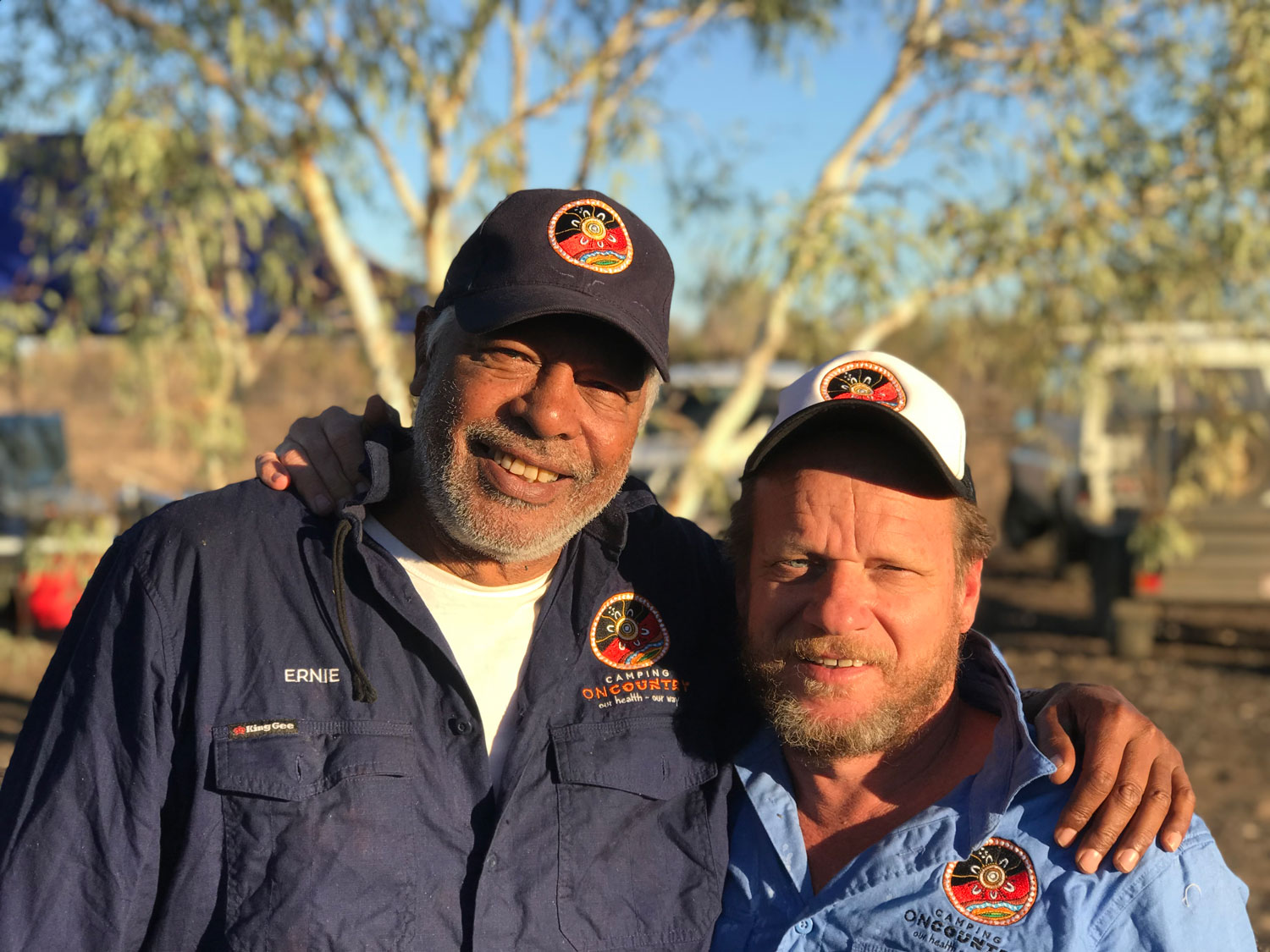
The mentorship is led by Tom Hearn, founder of BushTV. Tom has worked with many First Nations Organisations and has been mentored by some of Australia’s best storytellers.
Tom is a non-Indigenous documentary maker, writer, and storyteller with more than twenty years’ experience working alongside First Nations communities across remote and regional Australia. He holds a Master of Arts from the Australian Film Television and Radio School and founded BushTV in 2003.
He has worked at local, regional, and national levels for more than a decade on long-term campaigns focused on mental health, suicide prevention, workforce development, reconciliation, and community-led change. He is a recipient of the Reconciliation Award.
His practice has been shaped by long-term relationships, cultural authority, consent, and learning when not to tell a story.
Cost
$2,000 per participant
Payment plans available
Limited scholarship places may be offered
The fee covers mentorship, facilitation, preparation, ethical governance, and editorial guidance. It does not fund travel. Communities are never asked to host for free.
Payment is only requested after applications are reviewed and a place is offered. Tom will be in touch directly to discuss next steps.
How to apply
Participation is by application.
Please ensure you have read this page carefully before applying. This mentorship is intentionally small and selective.
Applications close: June 30 2026